
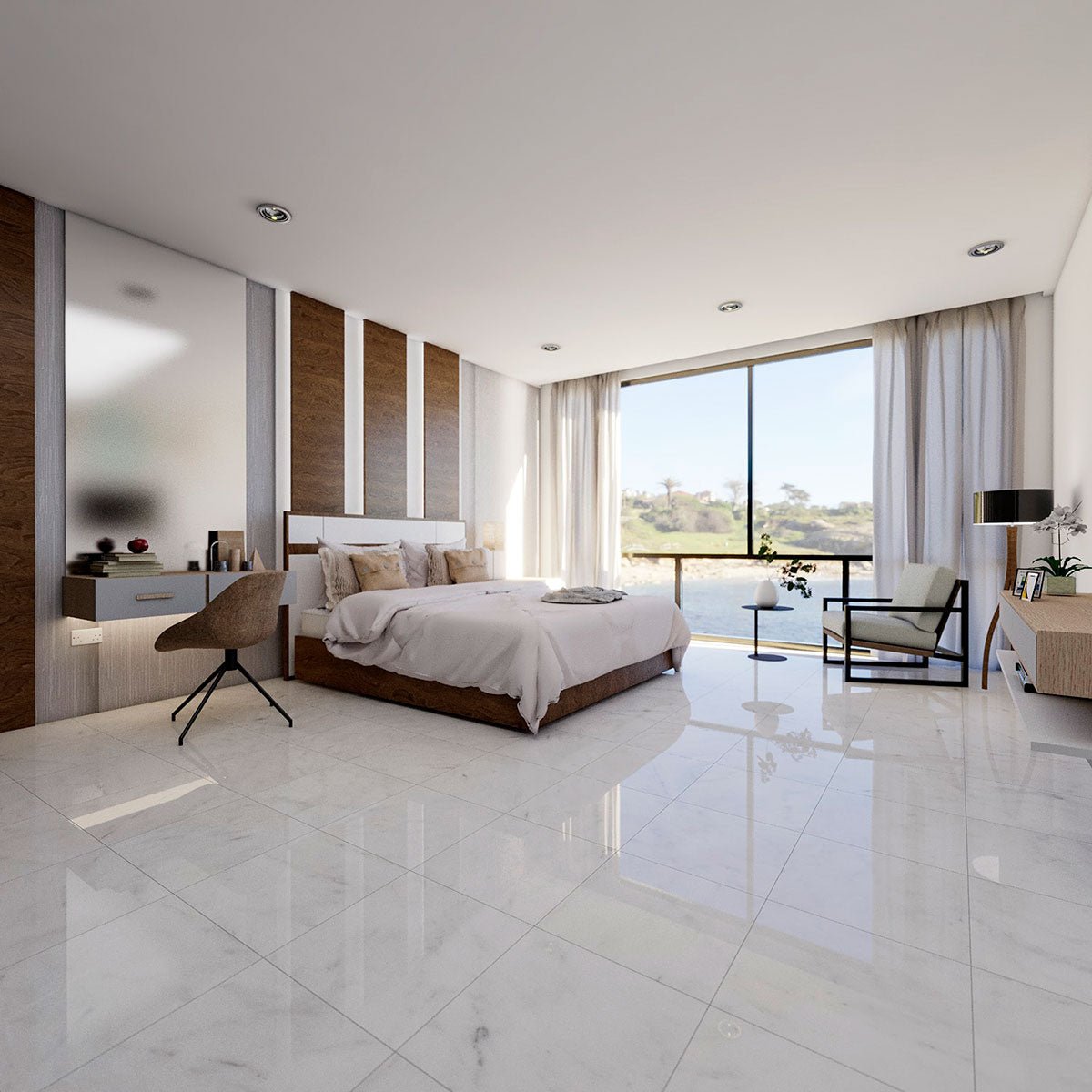

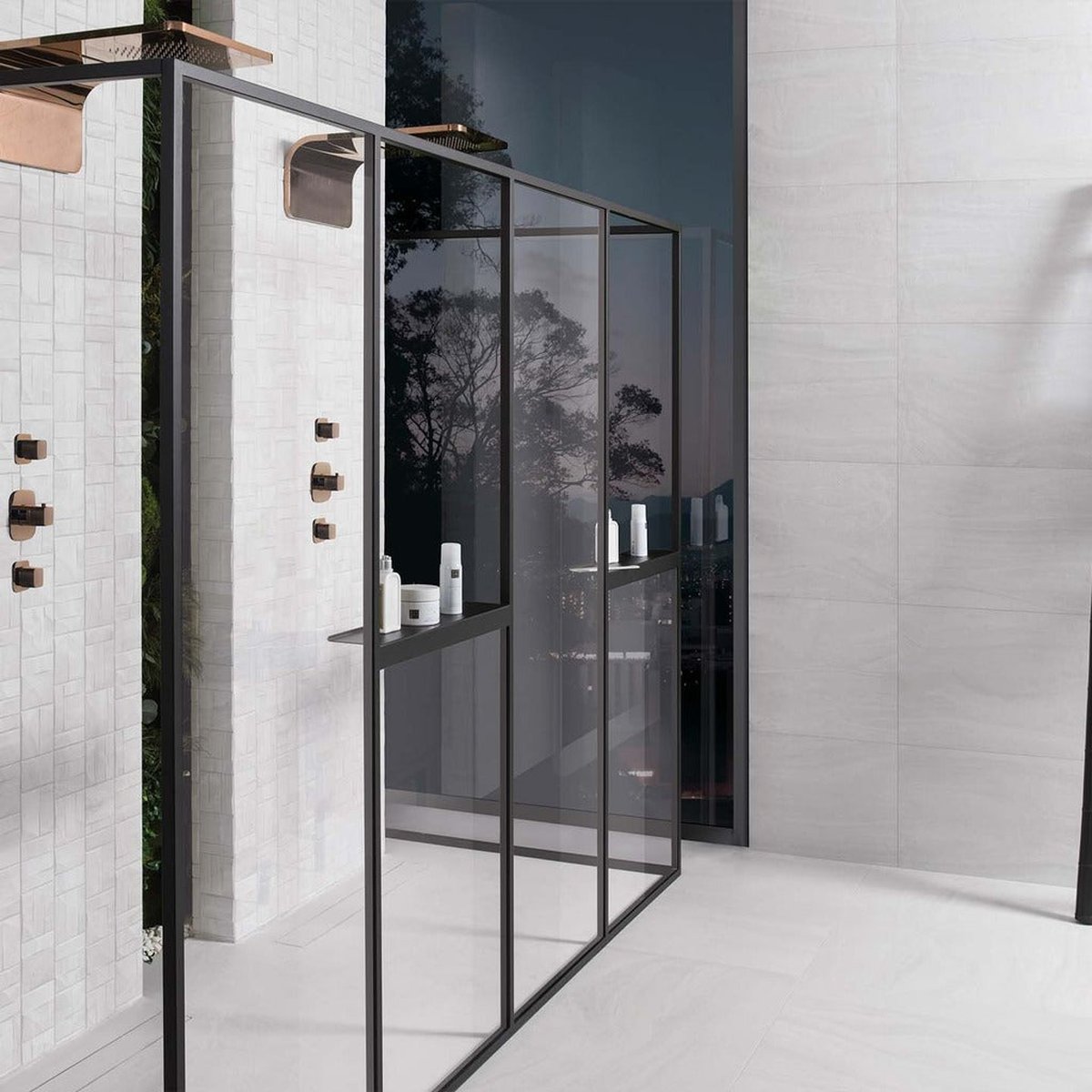


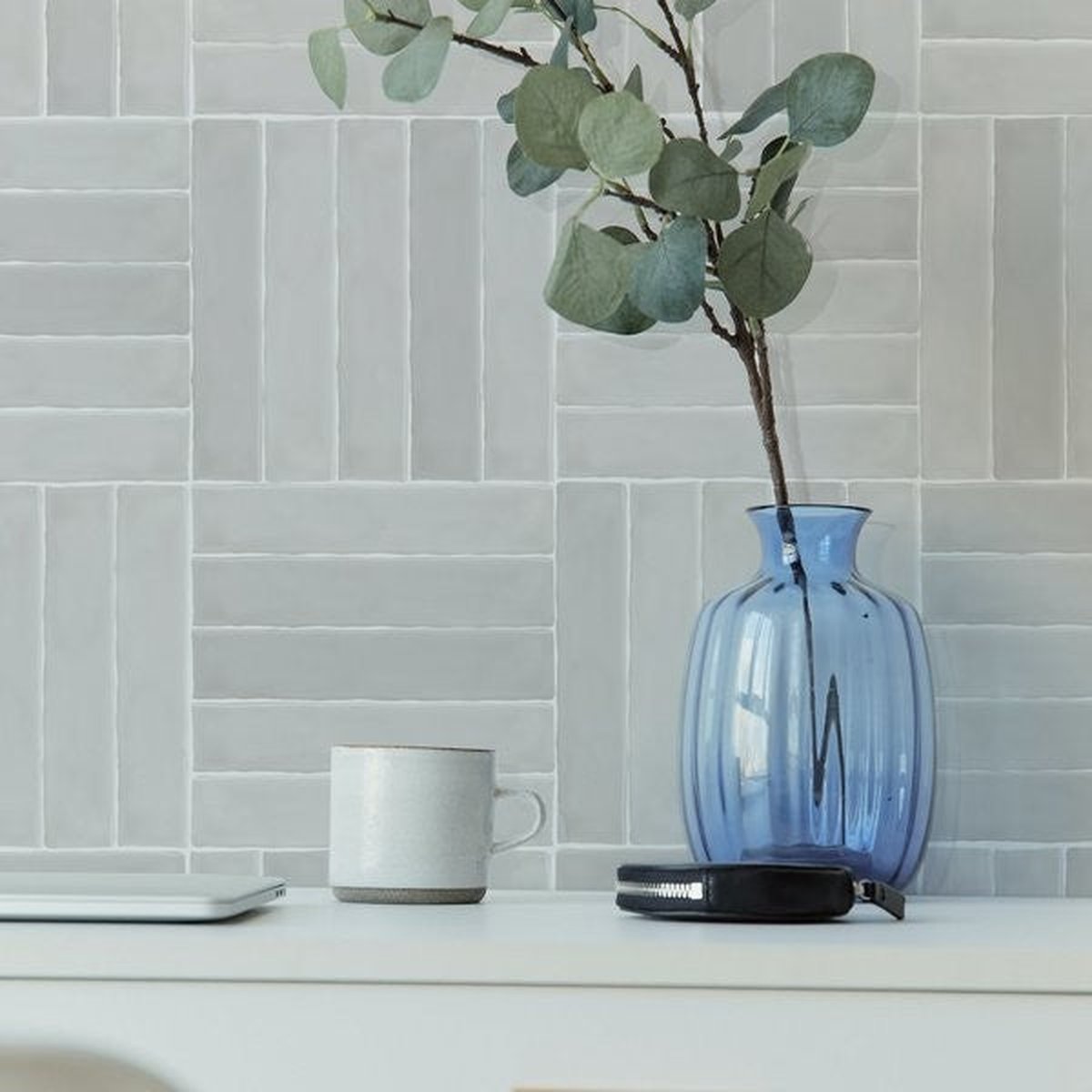
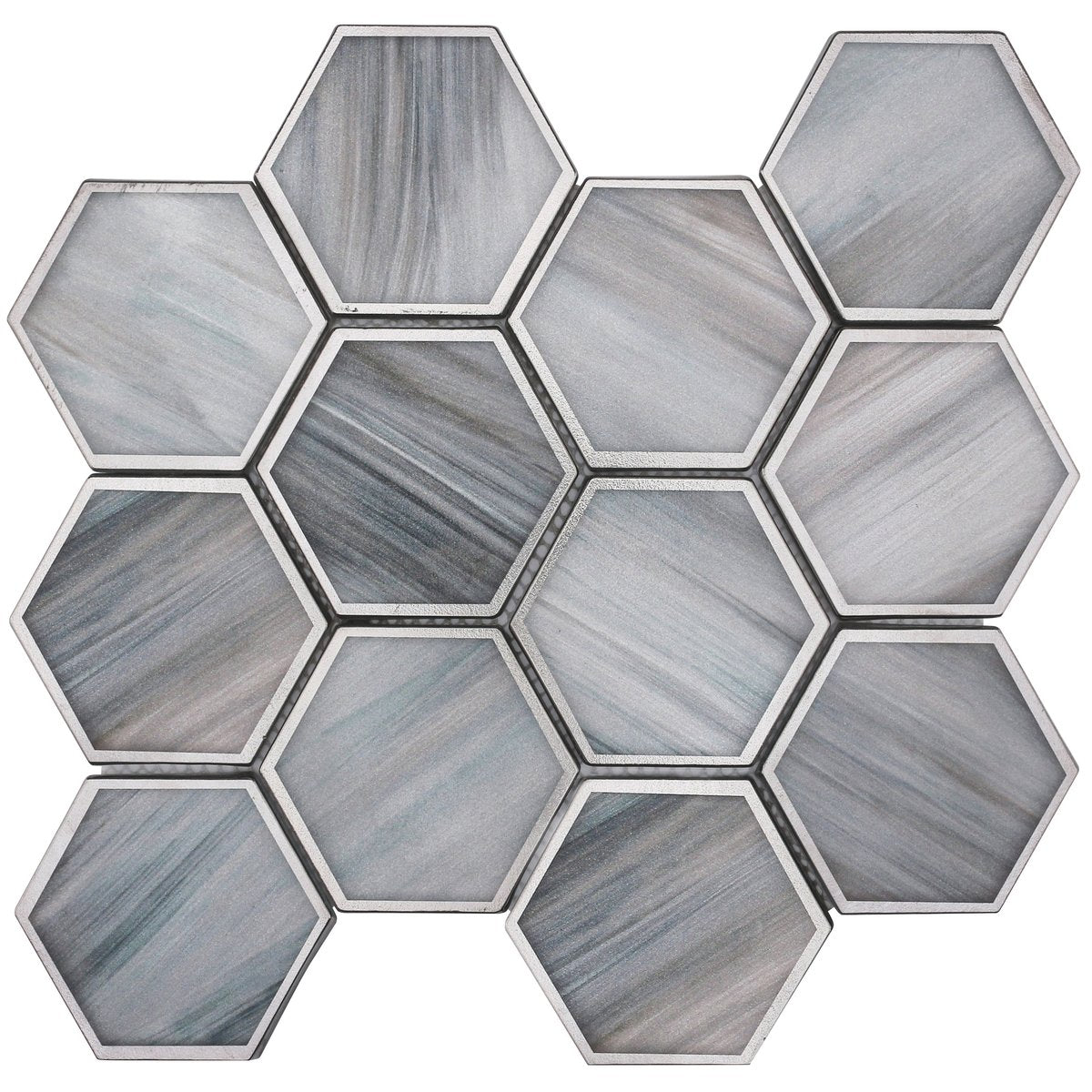
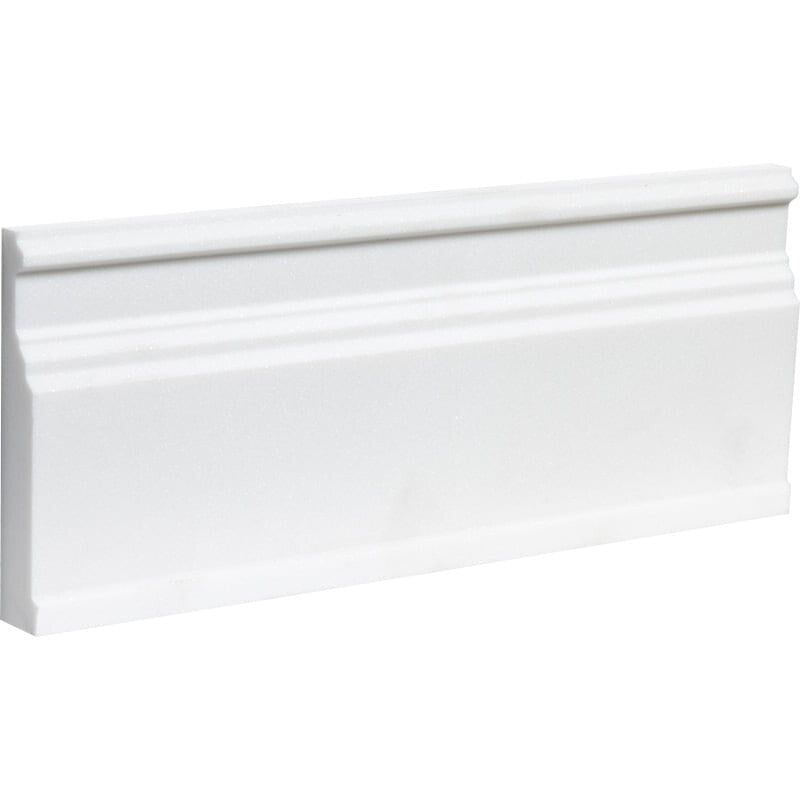
SNOW WHITE : Baseboard (honed | 5"x12"x1/16" | straight cut)
Stocked in USA
Piece
Quantity:
Bianco Dolomiti Marble Base Molding: The Quiet Elegance of Timeless Stone
In the language of interiors, few materials speak with the quiet authority of Bianco Dolomiti marble. This base molding, hewn from the heart of the Dolomite mountains, carries with it the legacy of classical architecture while embracing the restrained grace of modern design. Its honed white surface, unadorned yet profoundly expressive, serves as a subtle foundation—a whisper of refinement that elevates walls and floors alike. There is a purity to its solid hue, a soft luminosity that recalls the first light of dawn on Alpine peaks, making it not merely a transition between surfaces but a deliberate stroke in the composition of space.
Read More ›
SNOW WHITE : Baseboard (honed | 5"x12"x1/16" | straight cut)
Sale price$46.50
Choose options
SNOW WHITE : Baseboard (honed | 5"x12"x1/16" | straight cut)
Sale price$46.50
Size
5"×12"×1/16"
Shape
Bar
Width
5.0 in
Length
12.0 in
Thickness
0.0625 in
Material
Natural Stone
Material Type
Dolomite
Material Detail
Snow White
Surface
Finish
Honed
Weight / Piece
0.33 lb
Dimensions Notice: All natural stone dimensions are nominal and actual sizes may vary.
If your project requires exact measurements, please contact us
or order a sample before purchasing.
Order Processing Time: Once your payment is received, all NON-SPECIAL
ORDERS, INCLUDING SAMPLE ORDERS will take a min of 5-7 business days to prepare &
process for shipping. This is just an estimate, please take this time frame into
consideration BEFORE inquiring about the status of your order. Thank you!
Dimensions
Size
5"×12"×1/16"
Shape
Bar
Width
5.0 in
Length
12.0 in
Thickness
0.0625 in
Material
Material
Natural Stone
Material Type
Dolomite
Material Detail
Snow White
Surface
Finish
Honed
Weight & Coverage
Weight / Piece
0.33 lb
Disclaimers
Dimensions Notice: All natural stone dimensions are nominal and actual sizes may vary.
If your project requires exact measurements, please contact us
or order a sample before purchasing.
Order Processing Time: Once your payment is received, all NON-SPECIAL
ORDERS, INCLUDING SAMPLE ORDERS will take a min of 5-7 business days to prepare &
process for shipping. This is just an estimate, please take this time frame into
consideration BEFORE inquiring about the status of your order. Thank you!