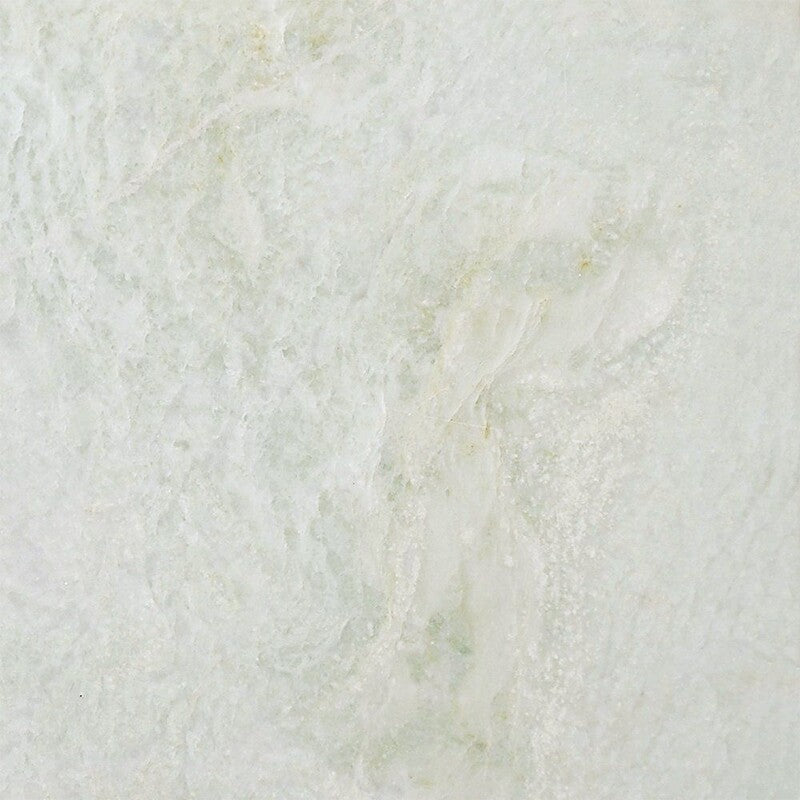
In the quiet grandeur of polished stone, where light dances upon unyielding surfaces, there exists a green marble of such depth and refinement that it seems to capture the very essence of enduring luxury. This is not merely a material, but a statement—a harmonious union of nature’s artistry and human craftsmanship, rendered in a perfect square of emerald serenity. Its polished finish reflects light with a liquid brilliance, transforming floors and walls into mirrors of sophistication, while its solid, unbroken hue speaks of quiet confidence, an assurance of beauty that transcends fleeting trends.
The color is neither garish nor subdued, but a masterful balance—verdant yet restrained, evocative of ancient forests and the patina of age-old treasures. It belongs as effortlessly in the hushed opulence of a modern penthouse as it does in the stately corridors of a historic estate. There is a quiet drama in its simplicity, a refusal to shout where a whisper will do. This is the design language of the eternal: clean lines, unadorned surfaces, and a color that feels both fresh and timeless. Whether underfoot in a sunlit foyer or gracing the walls of a candlelit dining room, it carries with it the weight of history and the lightness of contemporary grace.
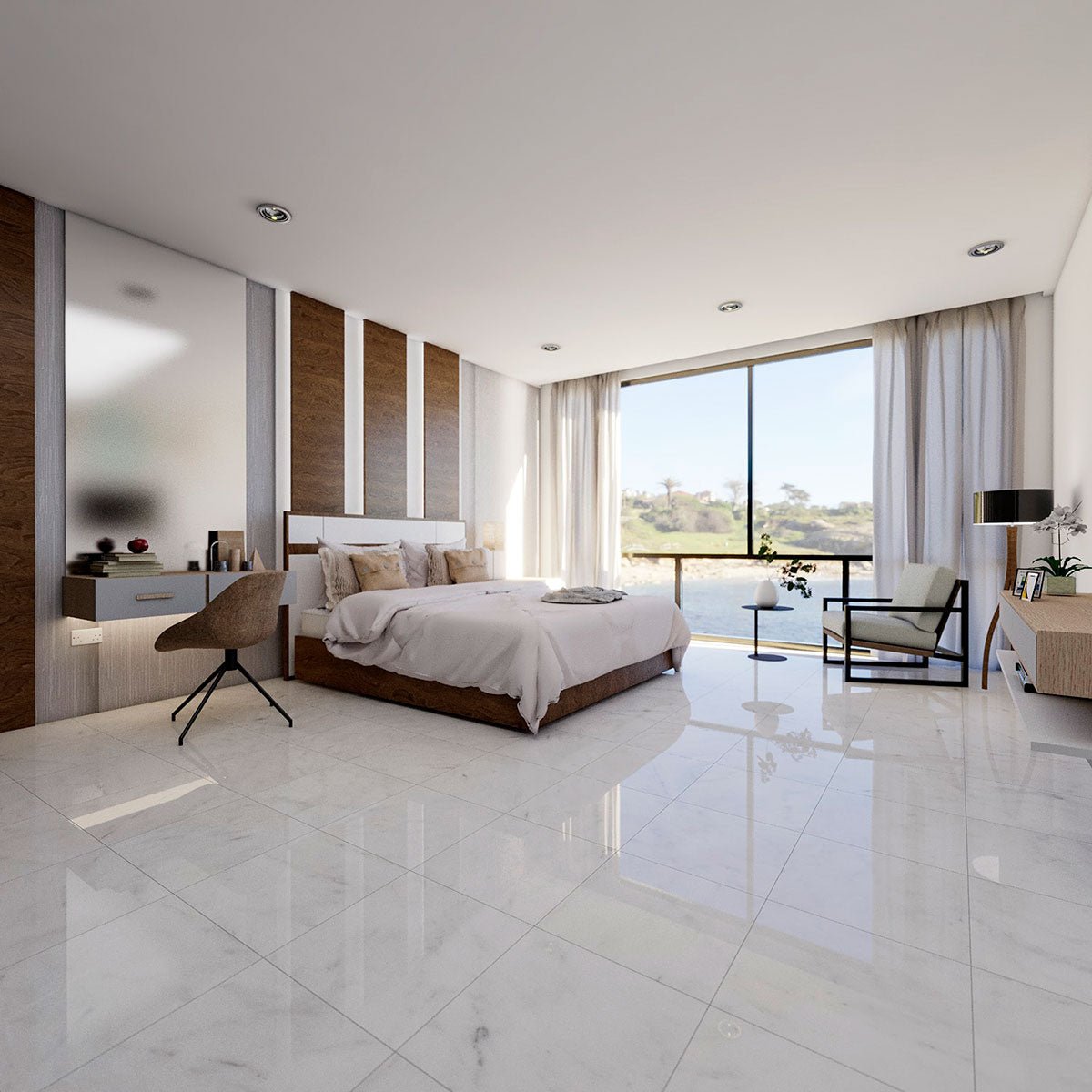
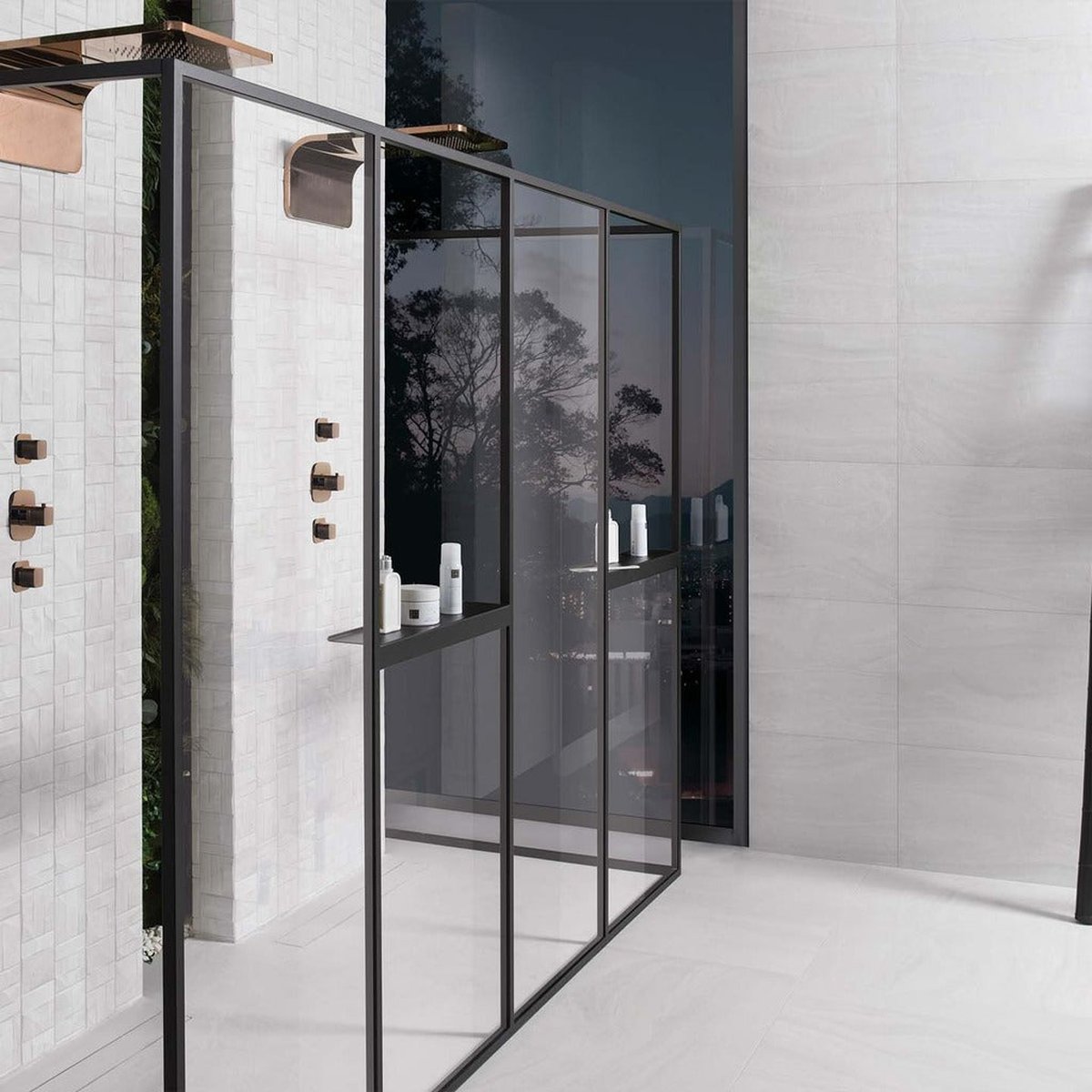
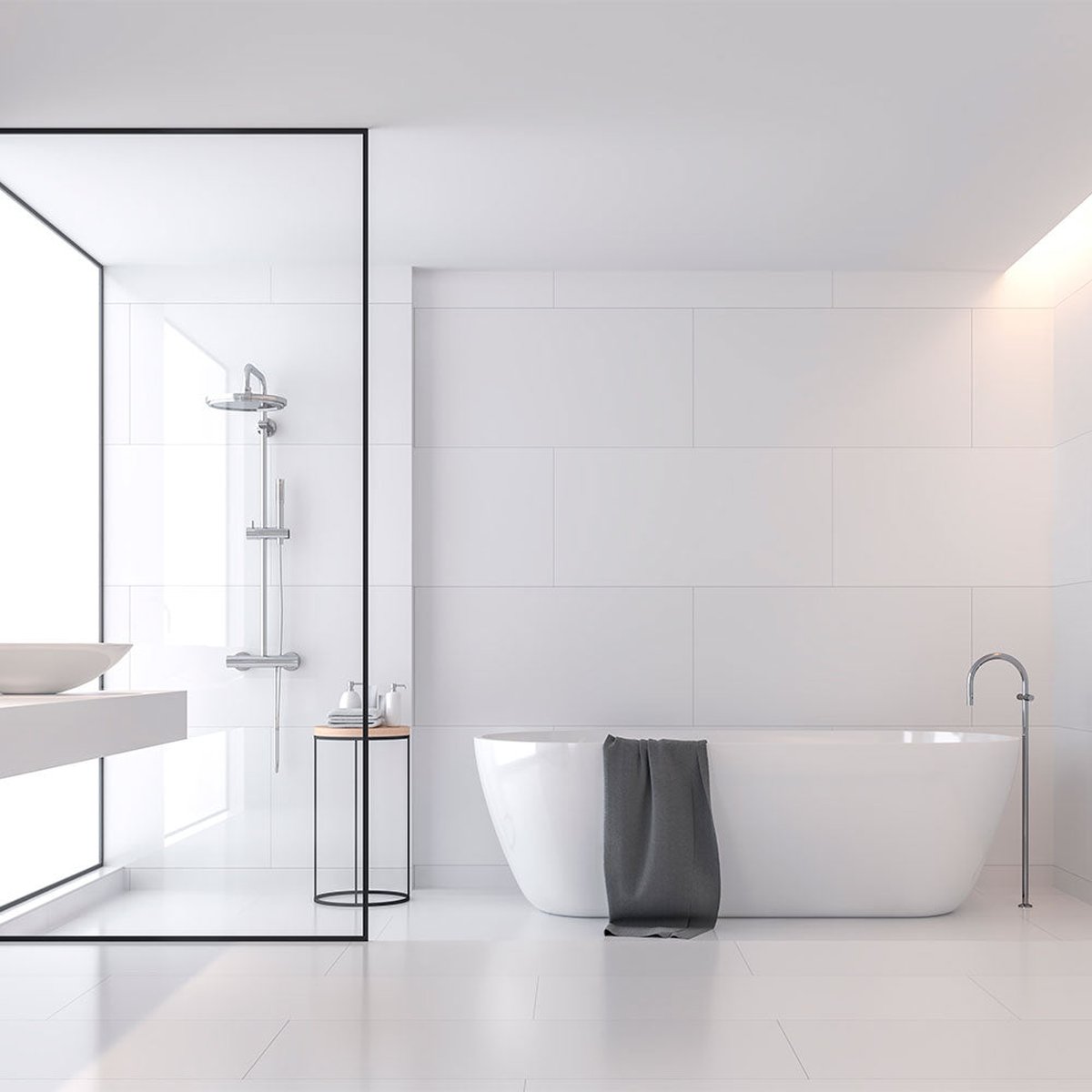
Designed for both the exterior and interior realms, this marble thrives where elegance meets endurance. Picture it beneath the open sky, lining a poolside terrace where sunlight glints off its polished surface, or imagine it as the backdrop to a minimalist kitchen, where its rich green tones play against the gleam of stainless steel. It is as suited to the high-traffic bustle of a commercial lobby as it is to the intimate sanctuary of a residential bathroom, its strength and beauty unwavering. There is a quiet authority in its presence, an unspoken promise that here, in this space, refinement is not an aspiration but a given.
To choose this marble is to align oneself with a tradition of luxury that spans centuries—a nod to the palazzos of Renaissance Europe, the serene interiors of mid-century modernism, and the bold simplicity of today’s most discerning designs. It is a surface that does not demand attention but commands it effortlessly, a testament to the power of understatement. In a world of excess, it stands as a reminder that true luxury lies not in ornament, but in the perfect marriage of form, function, and timeless allure.