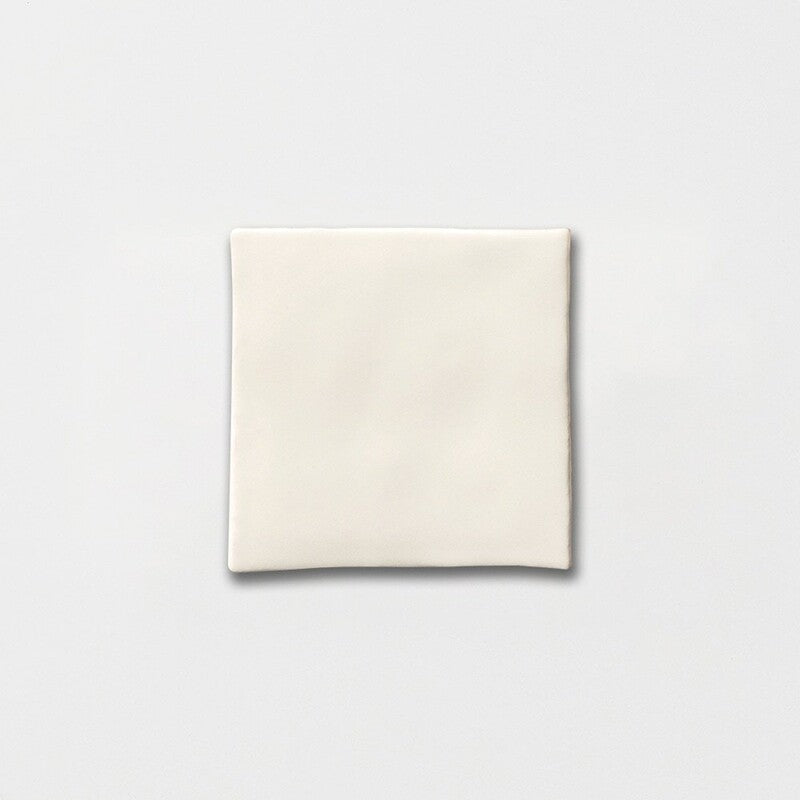
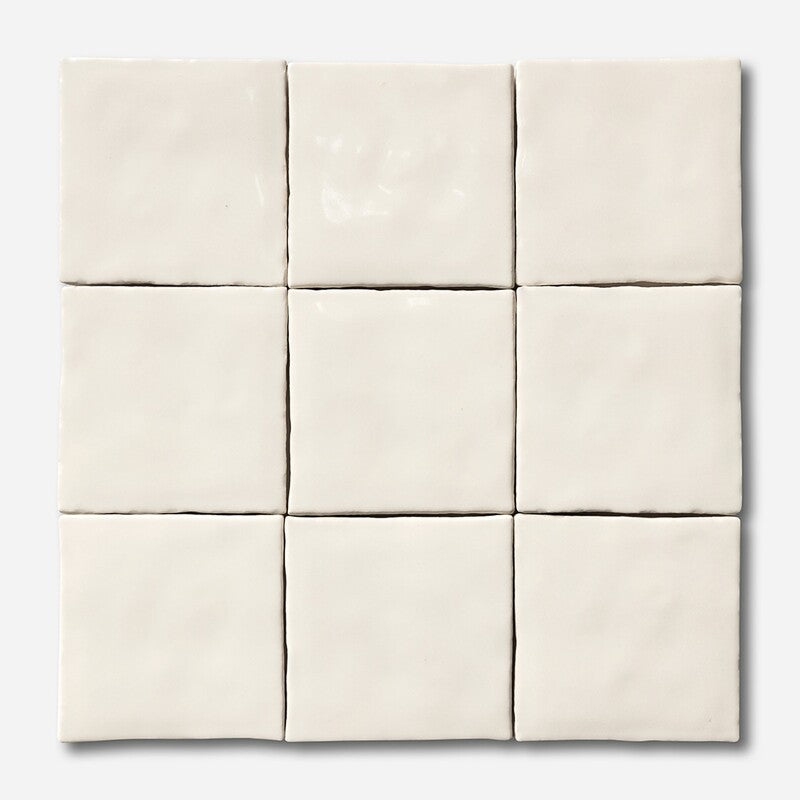
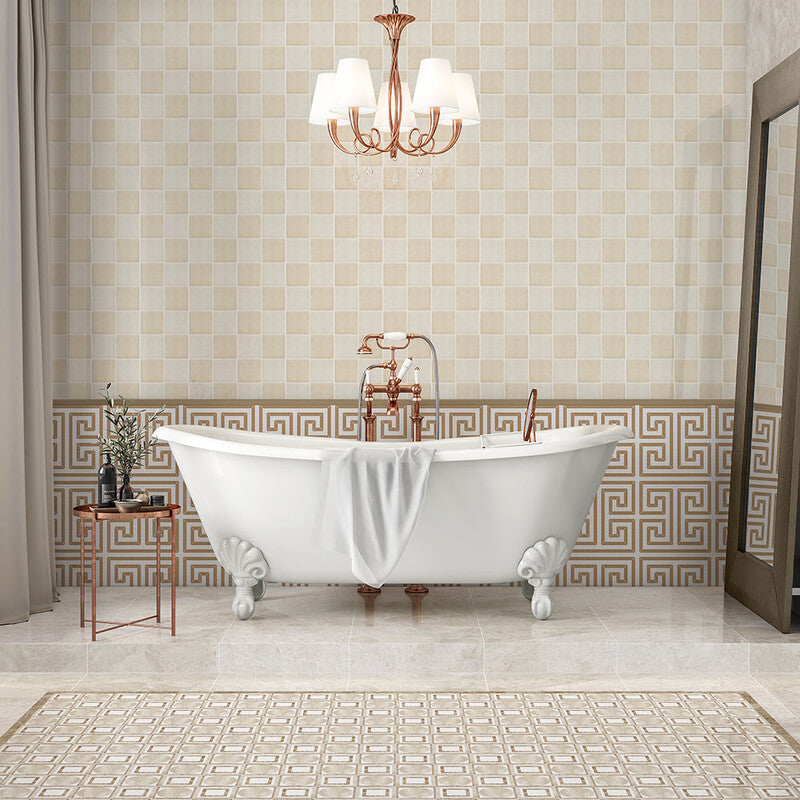
In an age where design oscillates between the austere and the ornate, this beige ceramic surface emerges as a quiet manifesto of balance. Its glossy finish reflects light with a restrained luminosity, neither harsh nor diffident, casting interiors in a warm, golden glow that evokes the patina of age without surrendering to nostalgia. The solid, unbroken plane of color speaks in the language of modernism—clean, deliberate, assured—yet its soft, neutral tone tempers the severity often associated with contemporary design. Here is a surface that does not clamor for attention but commands it through understatement.
The square 4x4 format lends itself to both discipline and versatility, its precise geometry a nod to the rationalist principles of early 20th-century design while remaining firmly rooted in the present. Whether applied to floors, walls, or shower enclosures, the tiles create a seamless continuity, their uniform edges forming a grid that is as much a structural anchor as it is an aesthetic statement. In commercial spaces, they exude professionalism without sterility; in residential settings, they offer a canvas upon which life’s textures—a weathered rug, a sunlit reading chair, the gleam of brushed brass fixtures—can play against their polished neutrality.
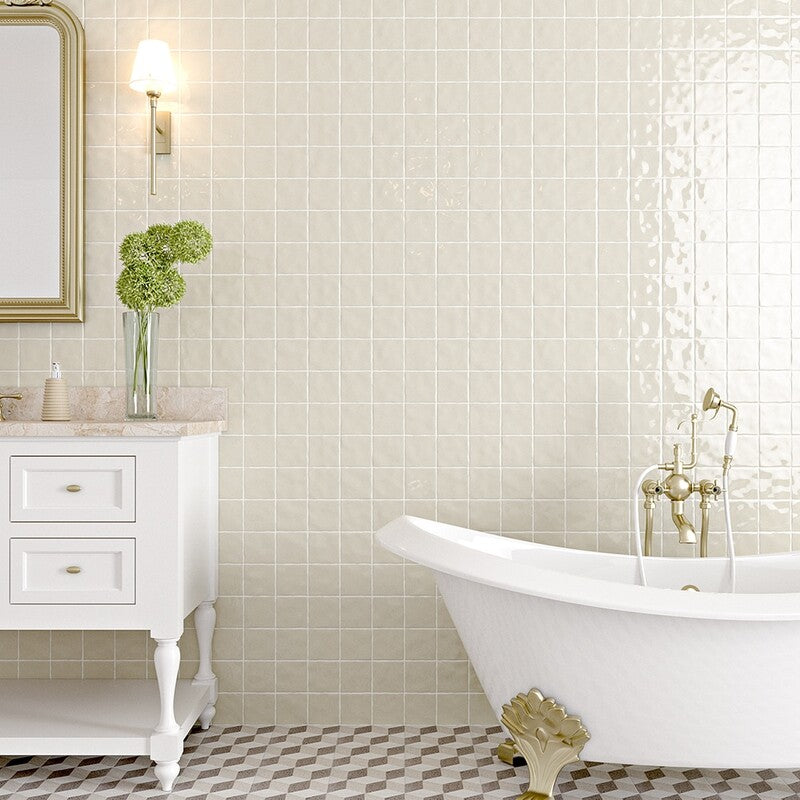
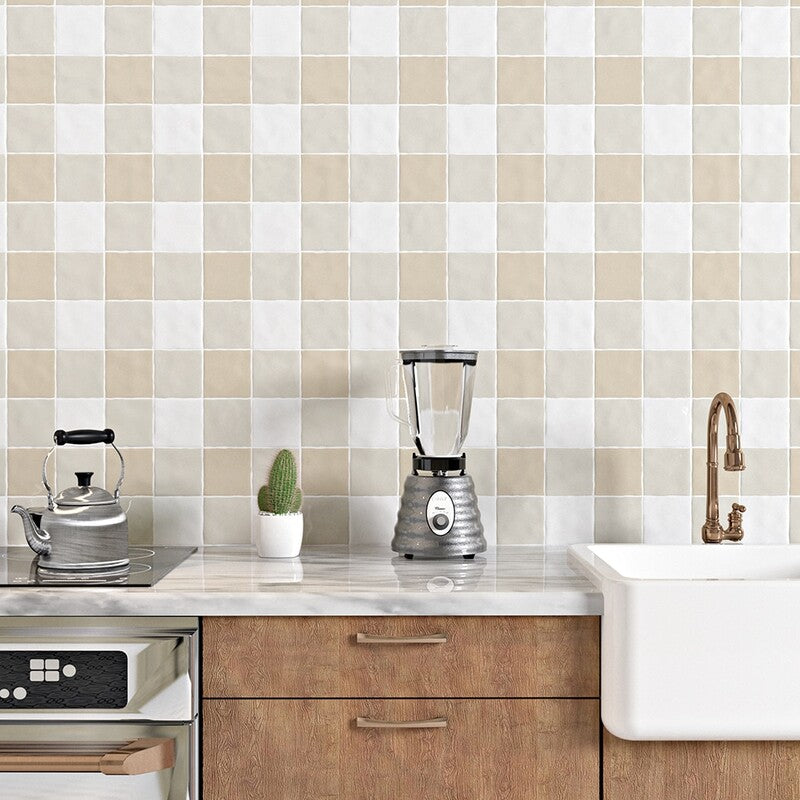
There is a quiet drama in the way this ceramic surface interacts with its surroundings. As a backsplash, it amplifies the theatre of the kitchen, its reflective sheen catching the glint of copper pans or the verdant sheen of fresh herbs. In bathrooms, it transforms shower walls into veils of liquid light, where water beads and slips like mercury over its smooth expanse. When used as an accent wall in a living room, it becomes a backdrop for art or conversation, its beige hue shifting subtly with the day’s passage from honeyed dawn to muted twilight.
This is a material that belongs to no single era but borrows from many—the disciplined lines of Bauhaus, the organic warmth of mid-century modernism, the quiet luxury of today’s most discerning interiors. It does not dictate style but accommodates it, offering designers and homeowners alike a foundation upon which to build spaces that are at once serene and sophisticated. In its simplicity lies its sophistication: a surface that is not merely seen but felt, not just installed but inhabited.