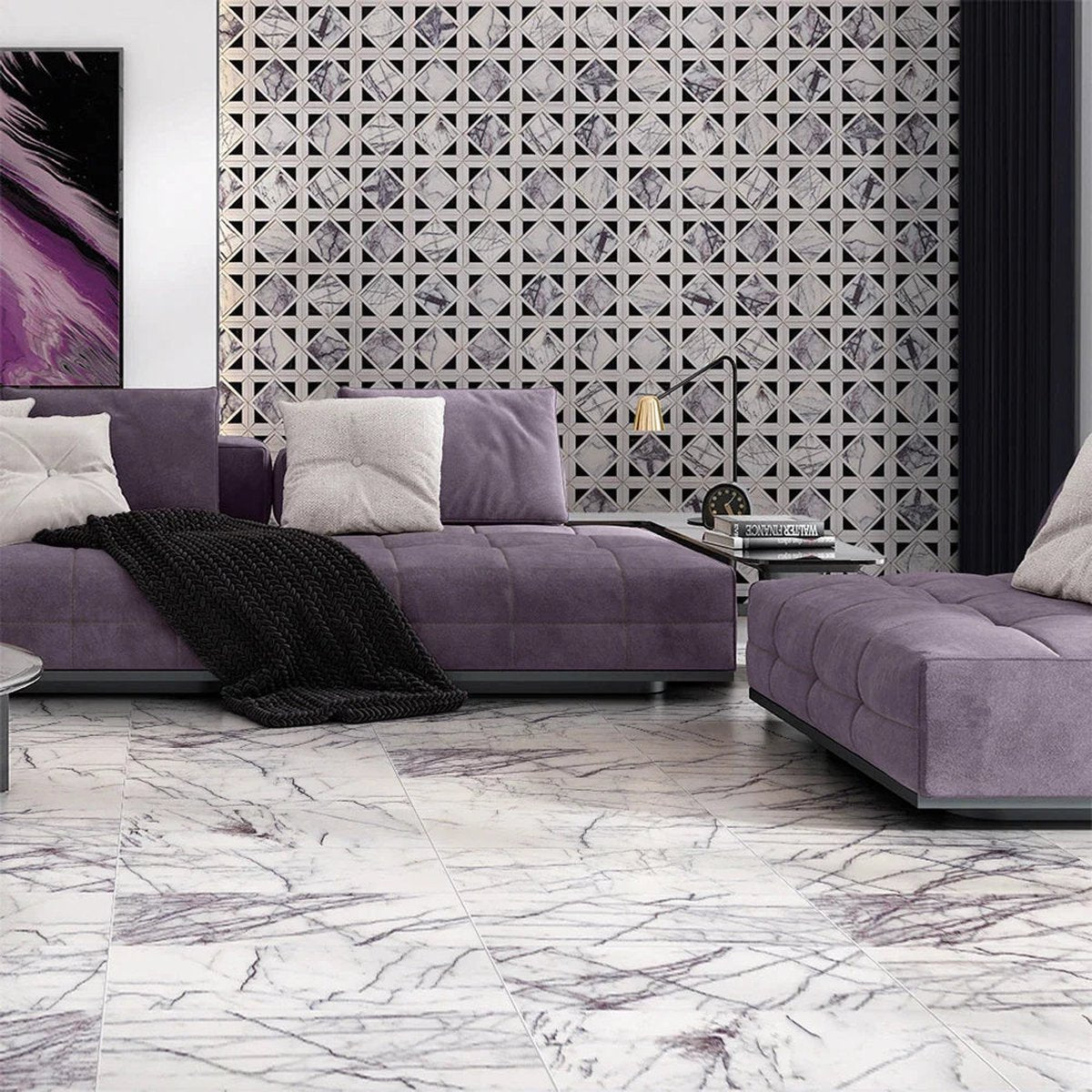
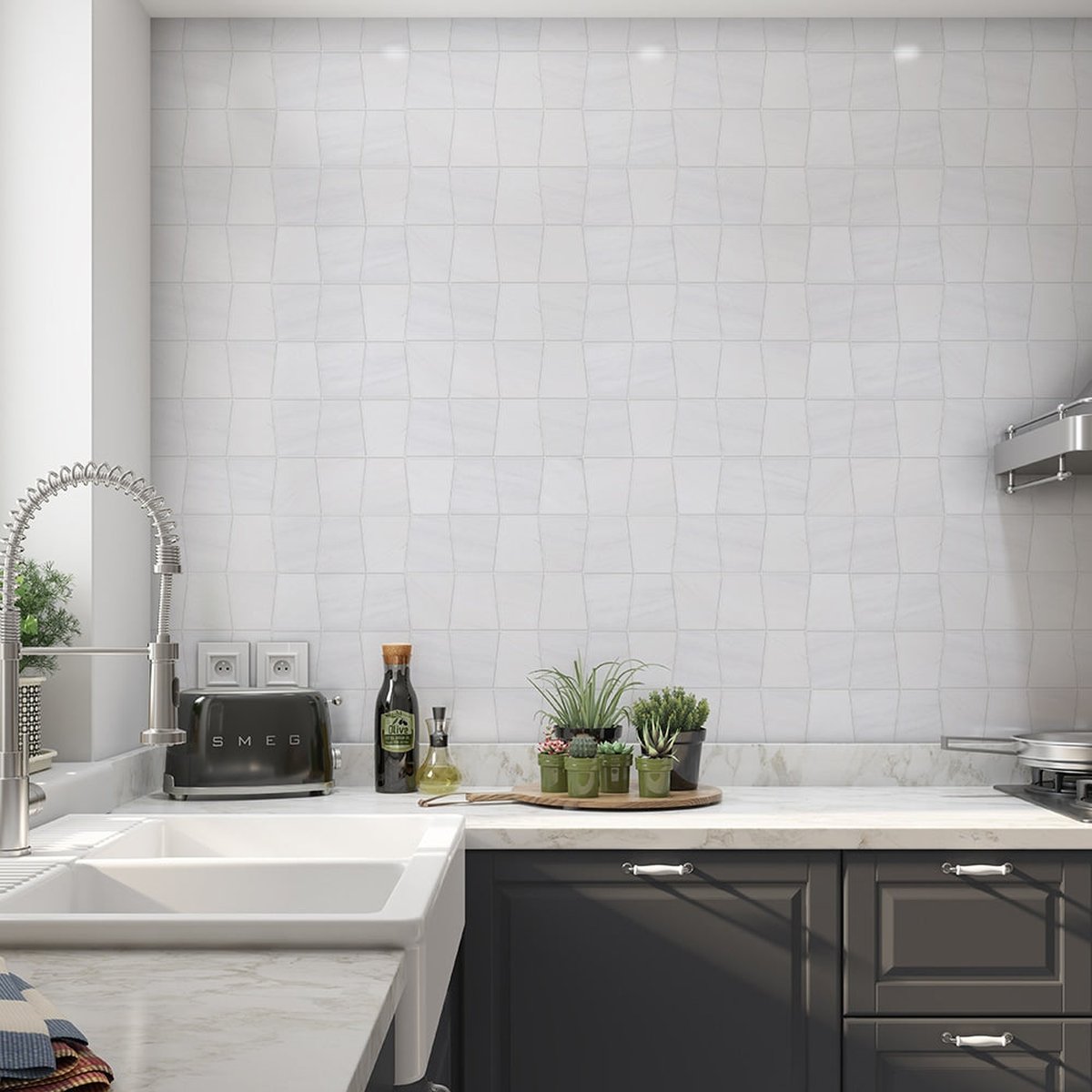
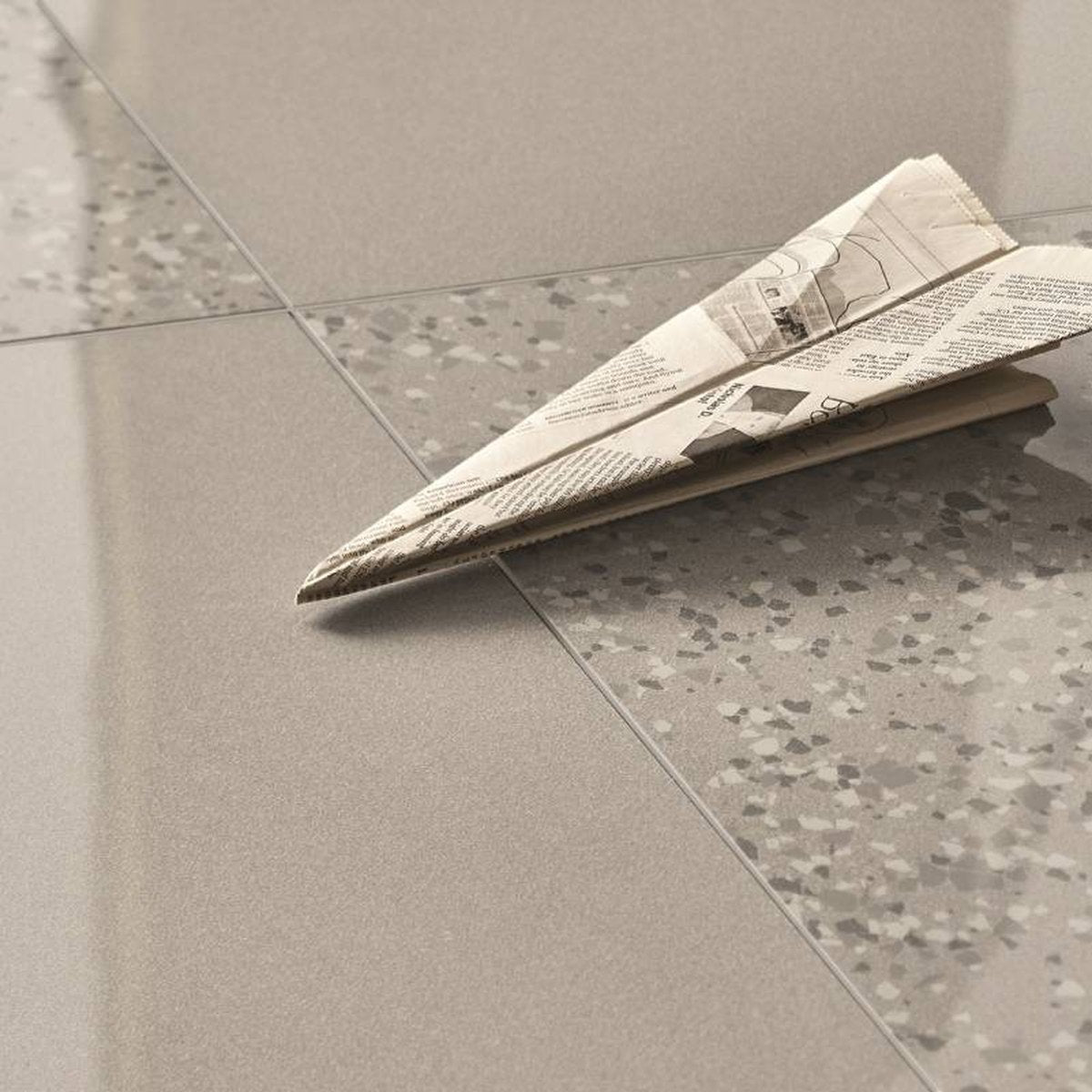
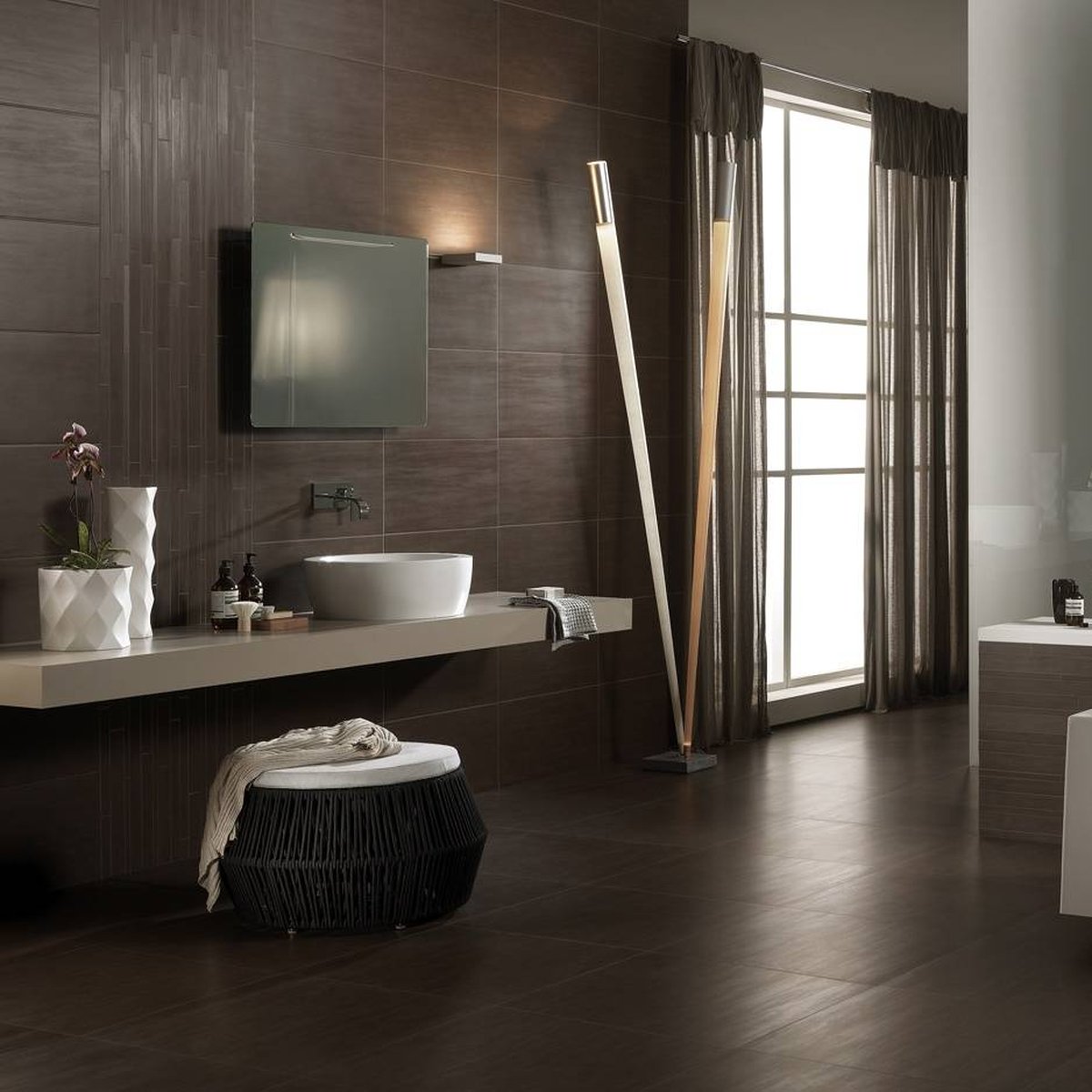
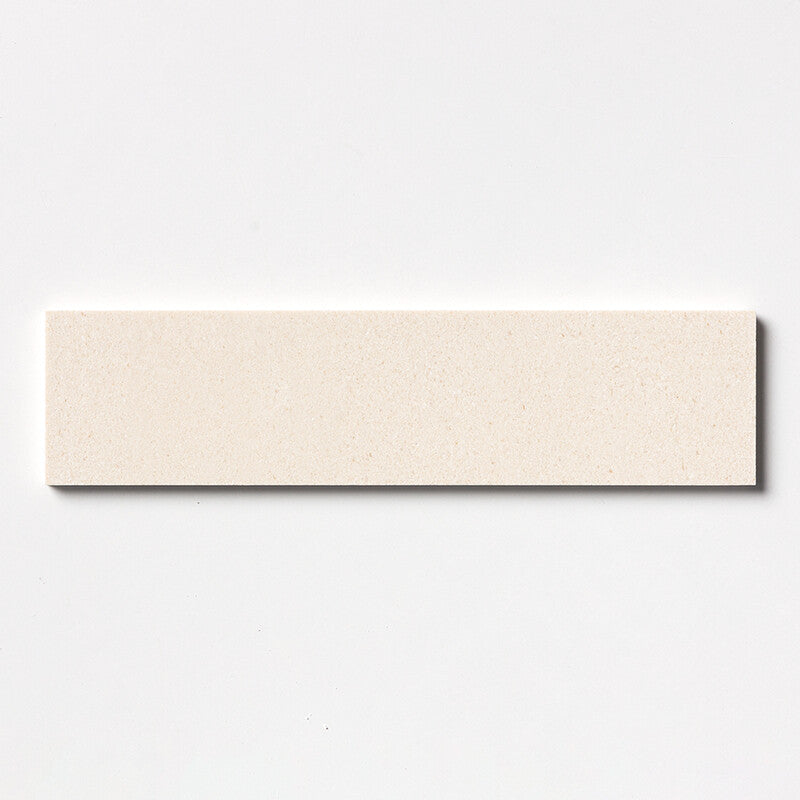
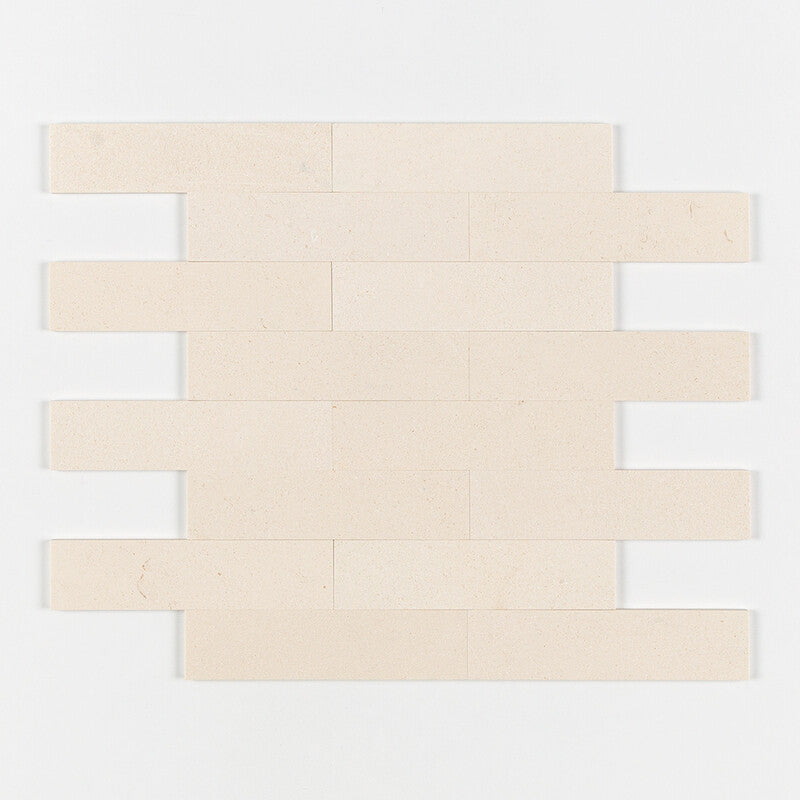
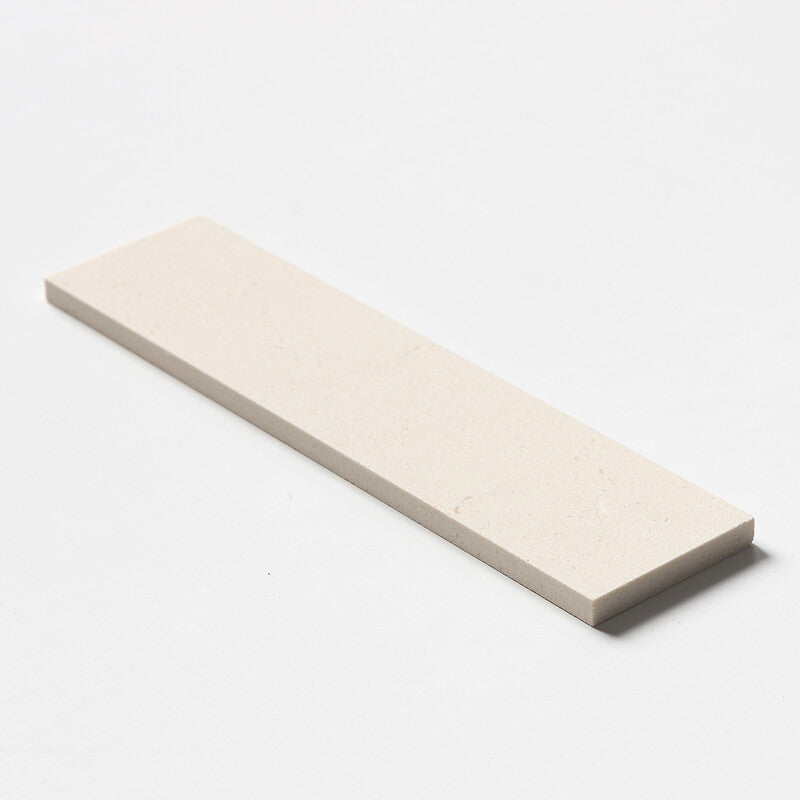
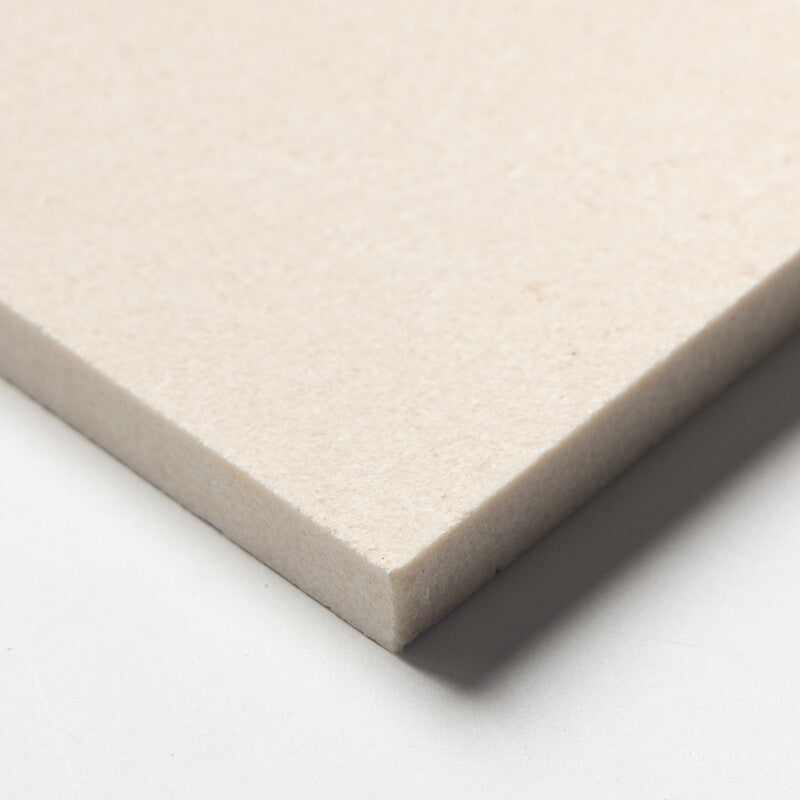
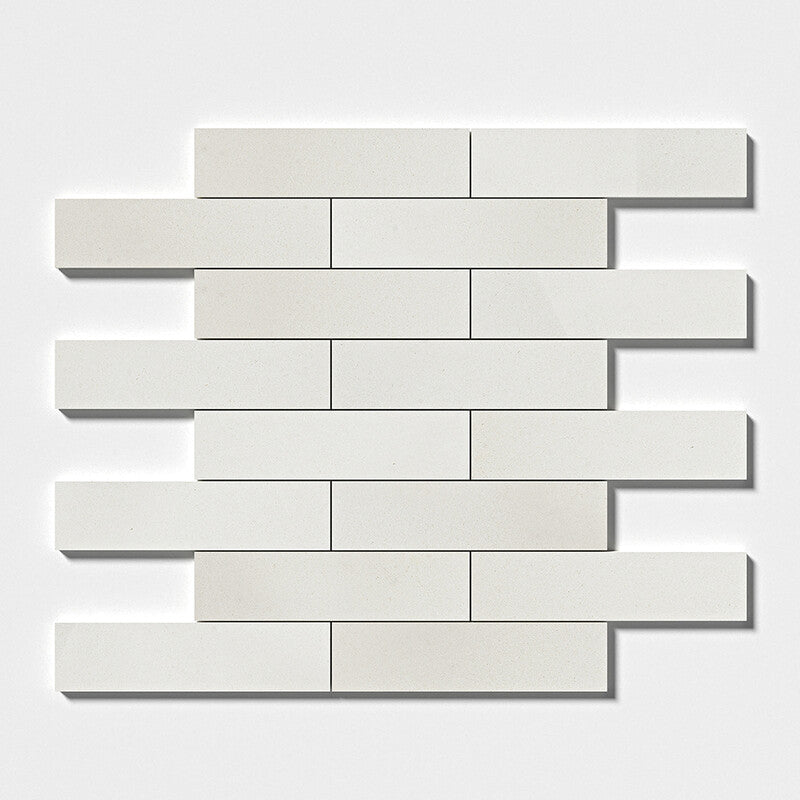
There is a quiet authority to limestone—an unspoken assurance of permanence and grace. This honed surface, dressed in the soft radiance of champagne and white, speaks the language of classical restraint while embracing the clarity of modern design. Its rectangular form, precise yet organic, lends itself effortlessly to both grand architectural statements and the most intimate of spaces. Whether underfoot in a sunlit foyer, adorning the walls of a serene spa, or framing the edges of a tranquil poolside terrace, this limestone carries with it the whisper of ancient craftsmanship and the confidence of contemporary minimalism.
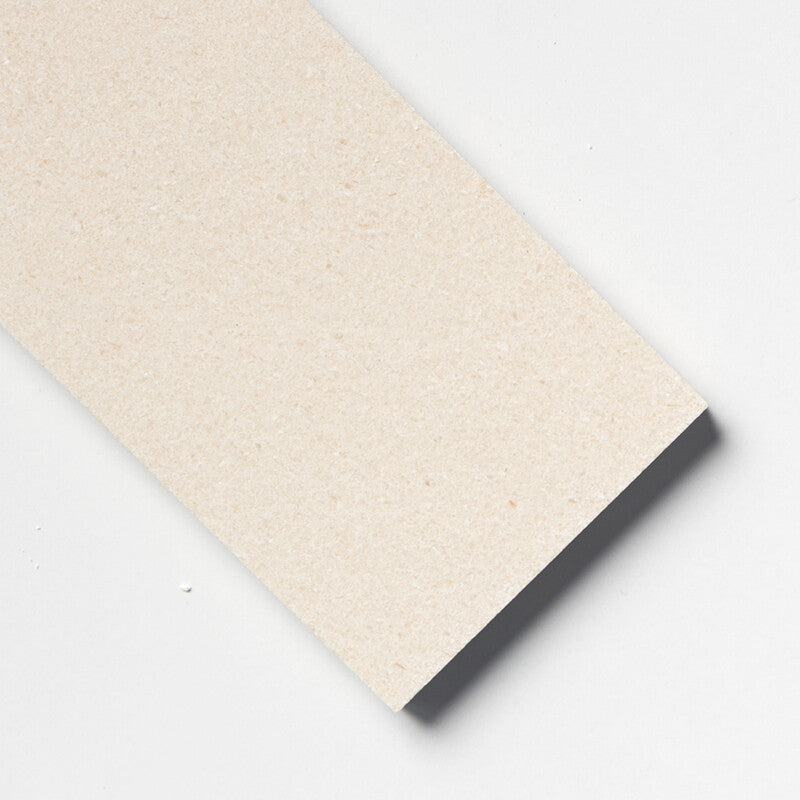
The palette is one of quiet sophistication: a harmonious interplay of beige and champagne tones, kissed by the purity of white. These hues do not clamor for attention but rather invite the eye to linger, revealing subtle variations that echo the natural world. The honed finish bestows a velvety smoothness, a tactile luxury that feels as refined as it appears. There is no ostentation here—only an understated elegance that transcends fleeting trends. This is a surface for those who understand that true beauty lies in restraint, in the marriage of form and function where neither is sacrificed for the other.
Architecturally, the limestone’s clean lines and straight-cut edges lend themselves to a disciplined aesthetic, one that finds equal resonance in the stark geometry of modernism and the balanced proportions of classical design. Its versatility is unmatched—equally at home in a sleek urban kitchen, a sun-drenched residential courtyard, or the hushed corridors of a boutique hotel. The stone’s inherent serenity makes it a natural choice for spaces meant to soothe, from spa sanctuaries to meditative bathroom retreats. Yet its durability ensures it remains unfazed by the demands of high-traffic commercial settings, proving that elegance need not be fragile.
To choose this limestone is to embrace a material that has been shaped by time, both in its geological origins and its enduring appeal. It does not mimic the past but rather distills it into something quietly contemporary—a surface that feels both familiar and fresh. In a world of excess, it stands as a testament to the power of simplicity, to the notion that the most enduring designs are those that speak softly but with unwavering conviction. This is not merely a covering for floors or walls; it is a foundation for spaces that aspire to timelessness.