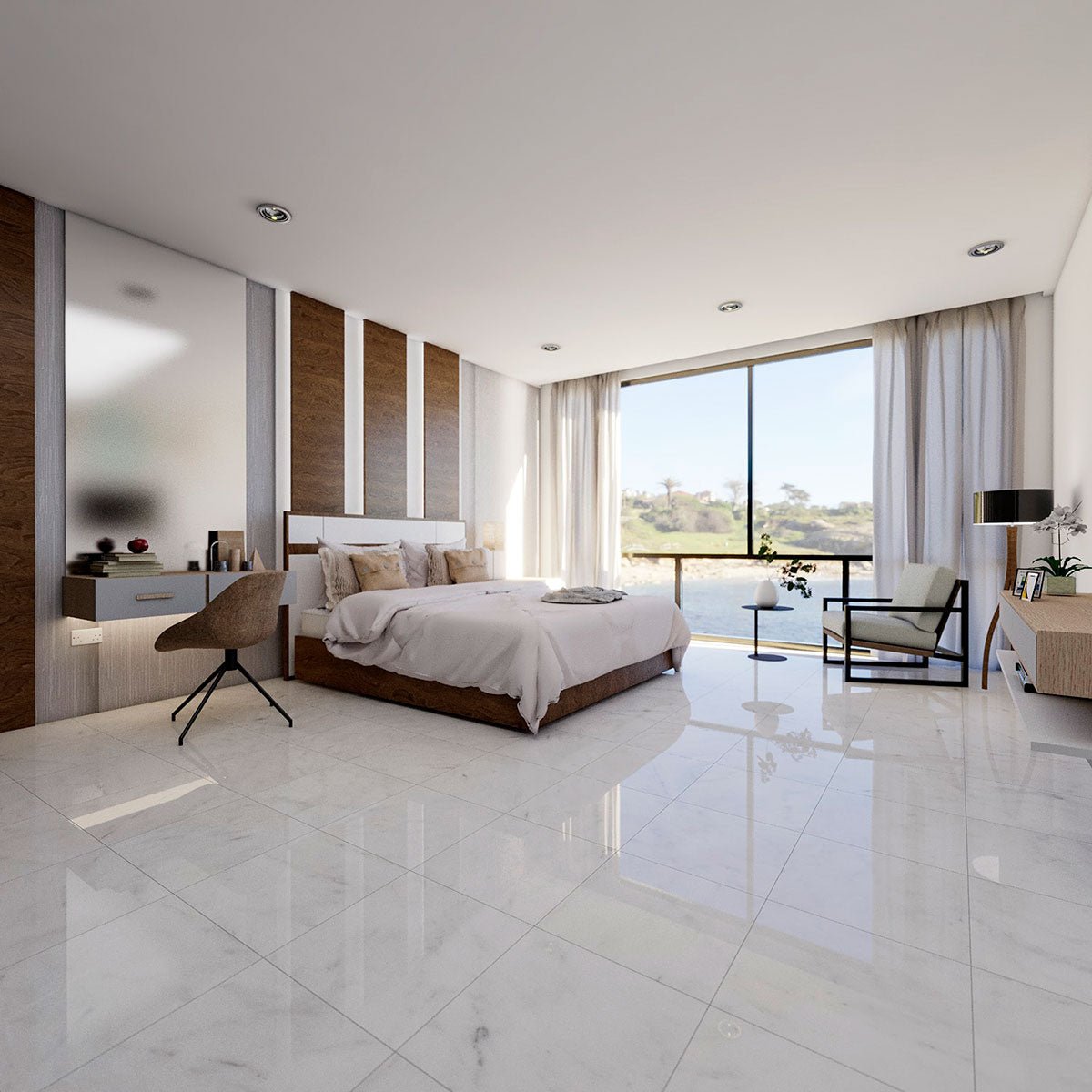
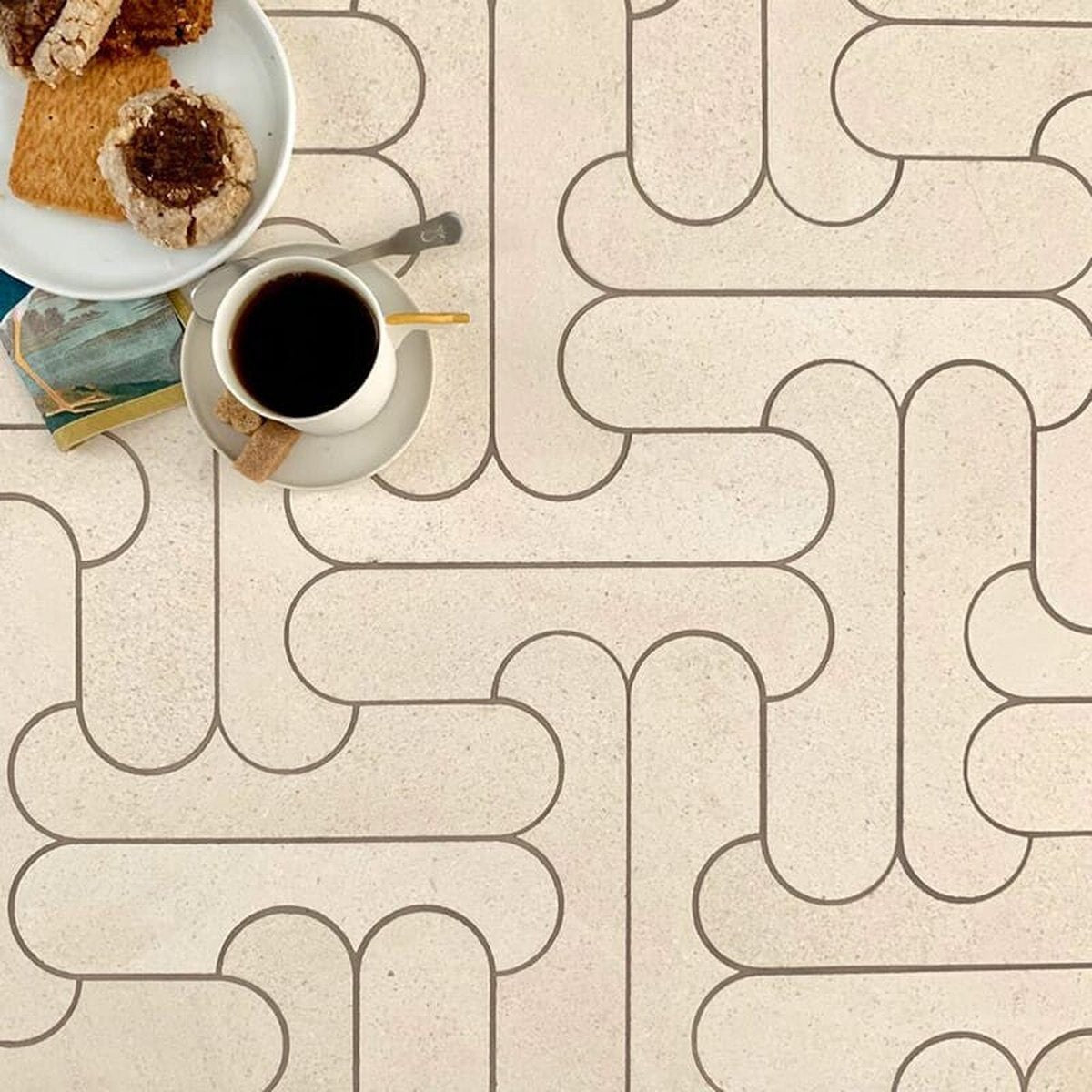
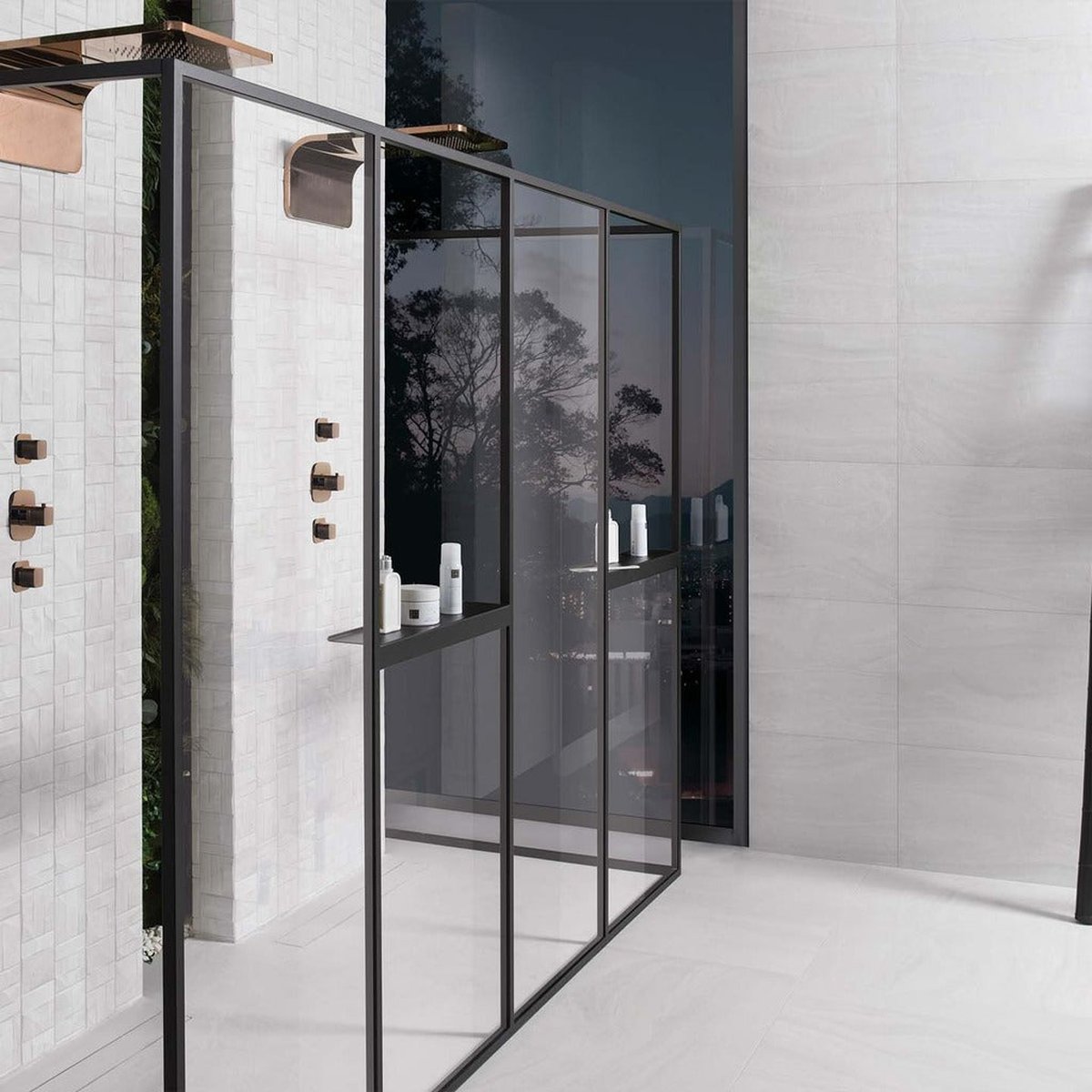
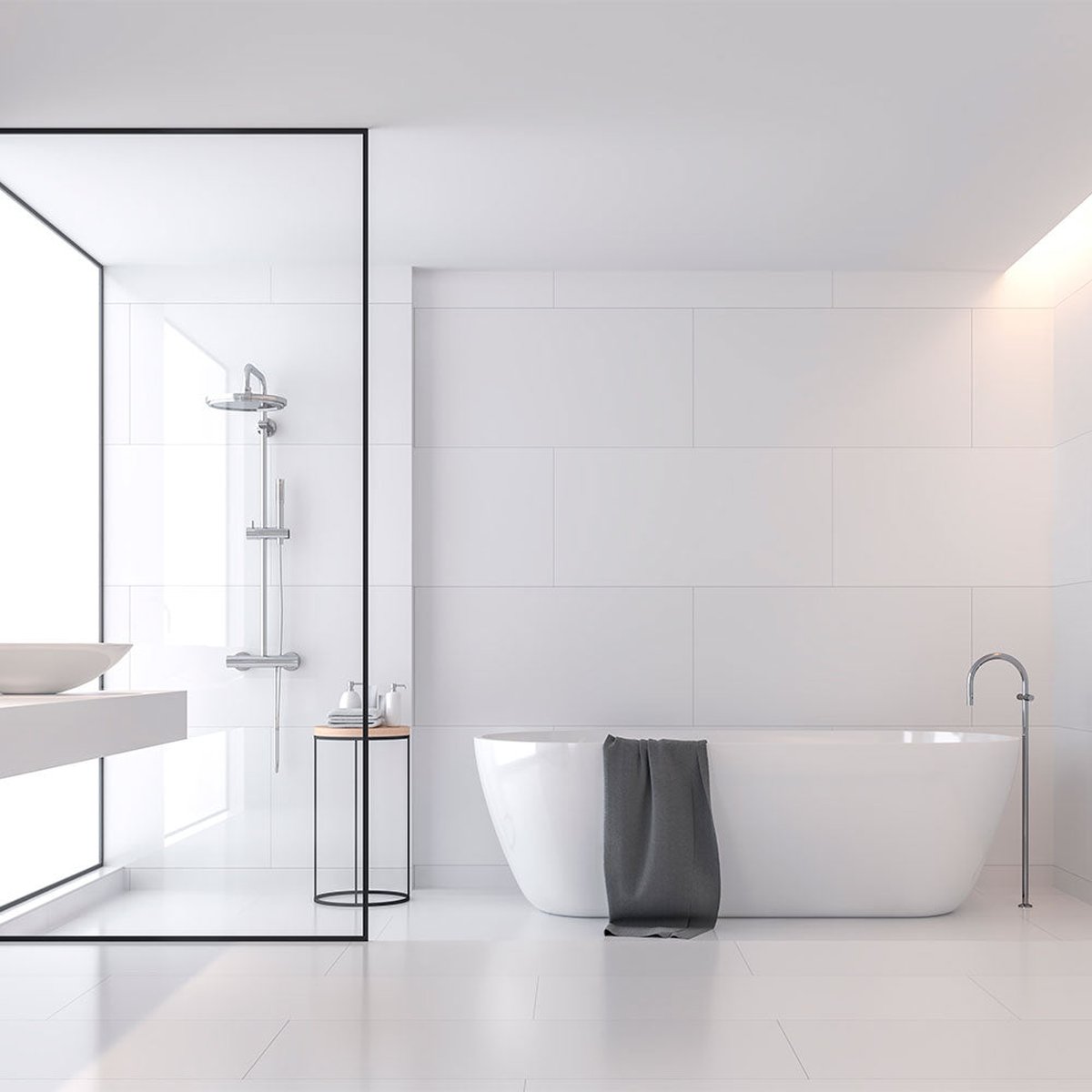
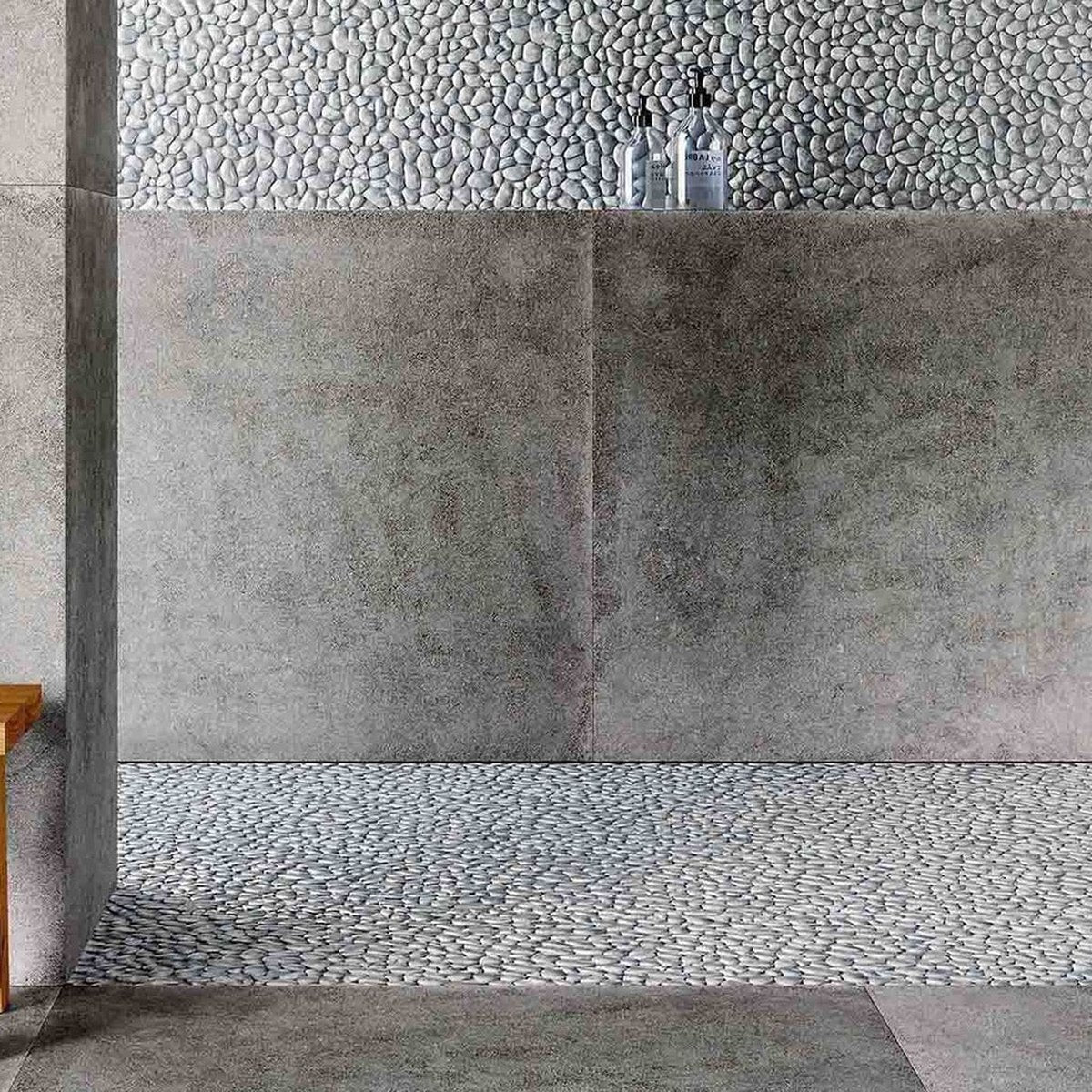
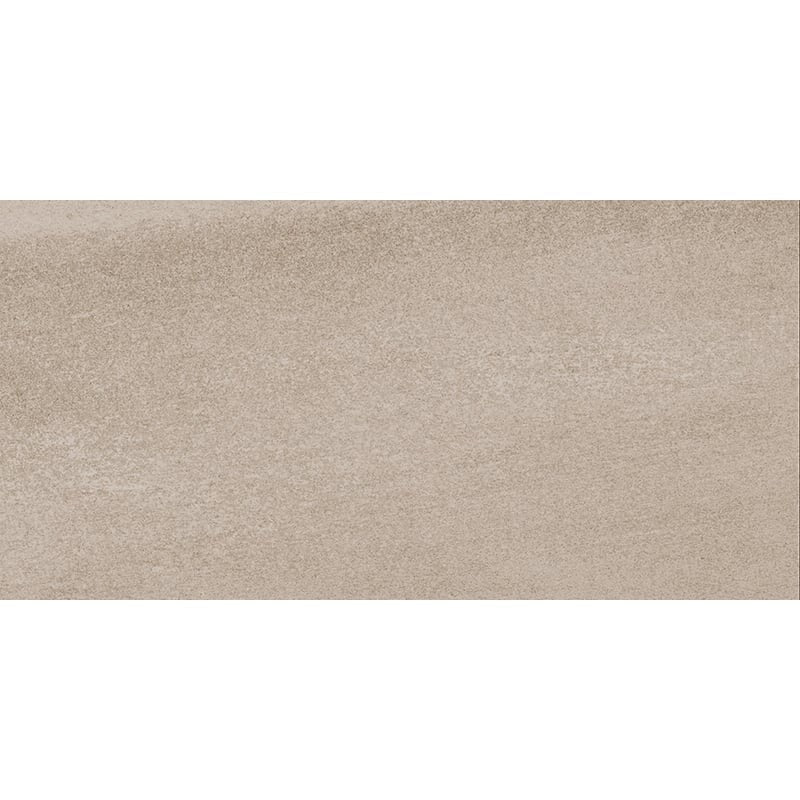
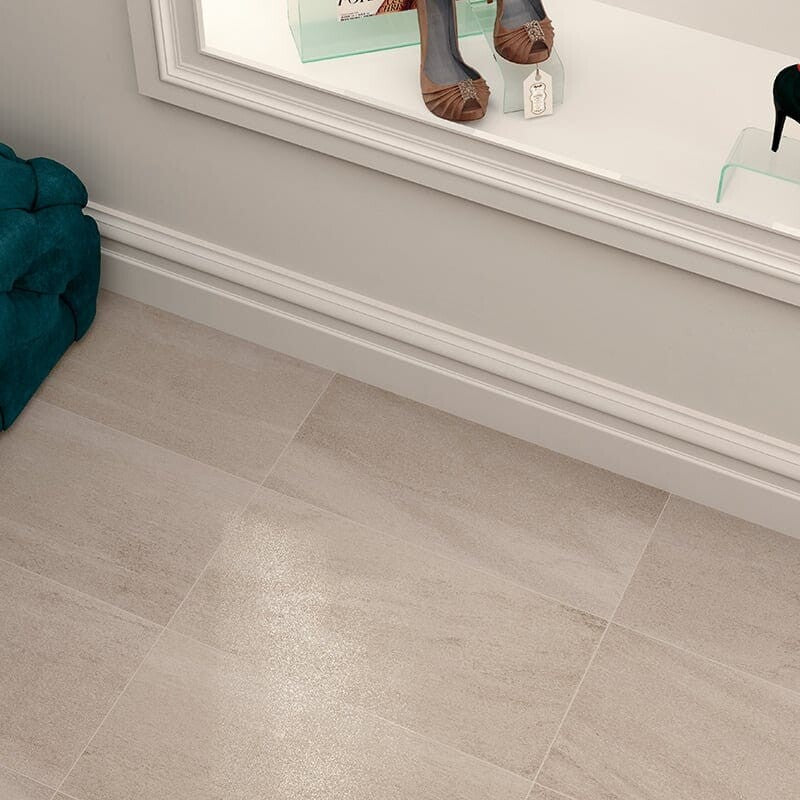
In an age where design seeks harmony between raw authenticity and refined elegance, this porcelain surface emerges as a quiet manifesto of contemporary minimalism. Its beige lappato finish, luminous yet subdued, captures the essence of loft-inspired interiors while transcending fleeting trends. The concrete-look pattern pays homage to industrial heritage, yet its restrained palette and smooth texture elevate it beyond mere replication—this is not concrete, but its distilled ideal.
Rectangular in form, with clean straight-cut edges and a modest 12x24 proportion, the tile speaks the language of disciplined geometry. Its understated color variation (v1) ensures cohesion without monotony, allowing each piece to contribute to a unified yet subtly dynamic whole. Whether applied to flooring or walls, indoors or out, it imparts an air of deliberate serenity, a canvas that neither shouts nor recedes but exists in perfect equilibrium.
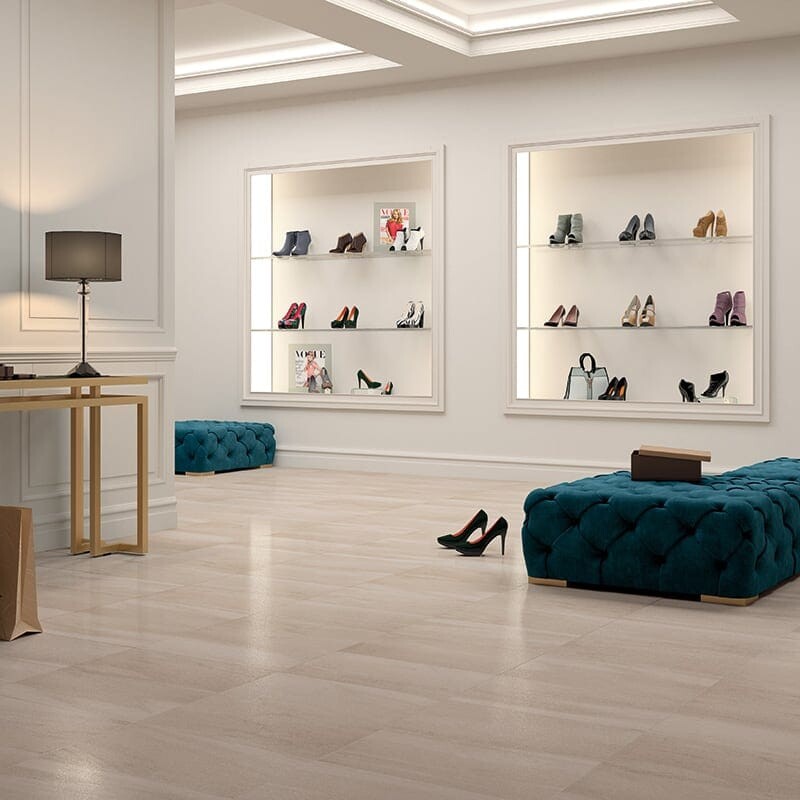
The lappato finish—a delicate midpoint between matte and gloss—lends the surface a whisper of sophistication, catching light without ostentation. Its smooth texture invites touch while remaining effortlessly practical, a testament to the marriage of beauty and resilience. In residential spaces, it conjures the warmth of modernism with a tactile softness; in commercial settings, it delivers quiet authority, a backdrop that dignifies without demanding attention.
Rooted in the loft aesthetic yet liberated from its rugged constraints, this porcelain surface belongs to the lineage of contemporary design that values restraint as much as expression. It is equally at home in a sunlit atrium as in a metropolitan gallery, its beige tones offering neutrality without sterility. Here, the industrial trend is refined into something timeless—less a statement than an enduring presence, less an object than an atmosphere.
For those who seek surfaces that speak in measured tones, that balance the raw with the refined, this porcelain tile is not merely a choice but a philosophy. It is design reduced to its essence, where every line, every hue, every texture serves a purpose—and where less, as always, becomes infinitely more.