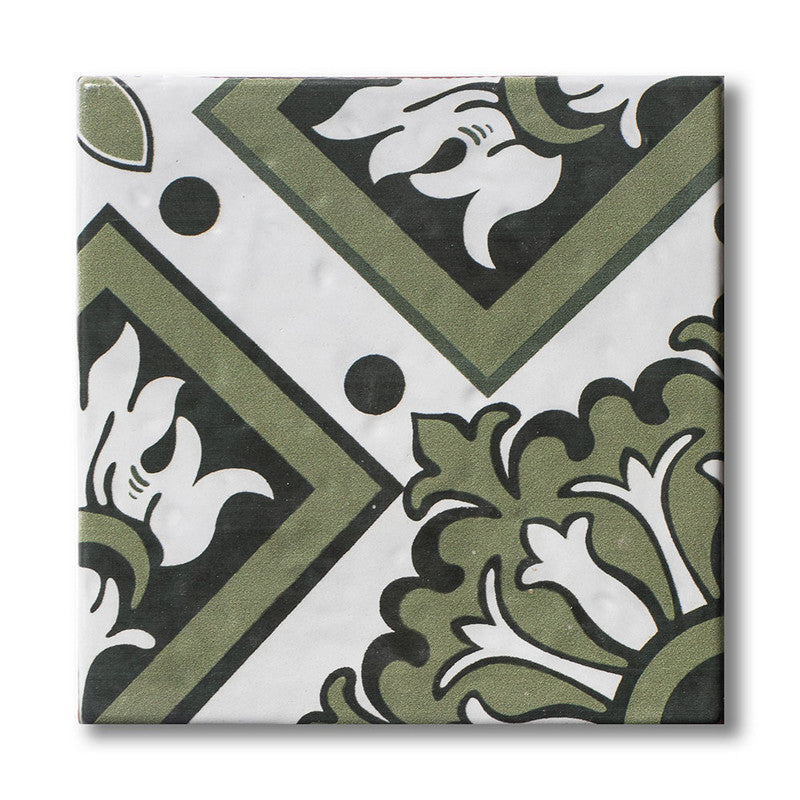
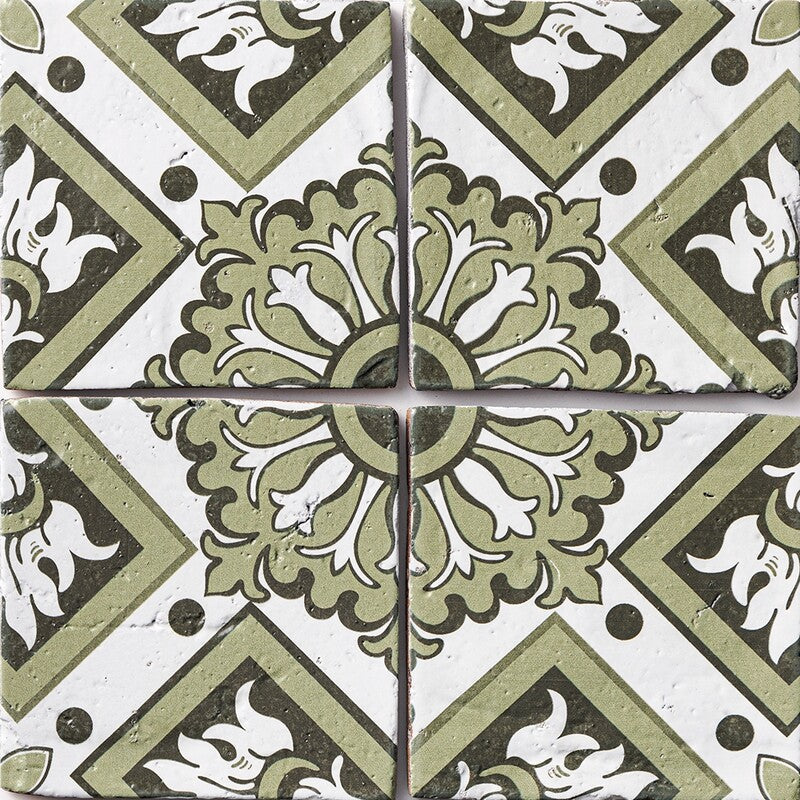
In the quiet alchemy of earth and fire, these glazed terracotta tiles emerge—a celebration of antiquity rendered in radiant color. Each six-inch square is a testament to the enduring allure of traditional craftsmanship, where the organic irregularities of hand-shaped clay are preserved beneath a luminous glaze. The surface catches light like aged parchment, its mottled hues whispering of sun-baked courtyards and the patina of centuries. This is not mere tile, but a fragment of history reimagined for the modern hearth.
Richly multicolored yet harmoniously subdued, the palette evokes the rustic elegance of Mediterranean villas and the warmth of Tuscan farmhouses. The glaze deepens the natural terracotta beneath, lending each piece a soft, burnished glow—some tiles blush with the faintest ochre, others deepen into earthy sienna, as if touched by the fading light of a late afternoon. Arranged as a backsplash, they become a canvas of understated luxury, their variegated tones creating a tapestry that feels both deliberate and effortlessly organic. There is a quiet dignity here, a refusal to shout; these tiles speak in the measured cadence of time-honored design.
Their antique sensibility transcends mere nostalgia. The tiles carry the emotional weight of handmade objects, their slight imperfections a rebuke to the sterility of mass production. In a kitchen or dining space, they impart an immediate sense of warmth, a tactile invitation to gather and linger. The glazed finish, smooth yet alive with depth, resists the cold precision of contemporary surfaces, offering instead a texture that feels familiar, almost familial. This is the aesthetic language of hearth and home, where beauty is found not in flawless symmetry, but in the gentle irregularities that betray the human hand.
To choose these tiles is to weave a thread of rustic tradition into the fabric of modern living. They belong to no single era, but rather to the continuum of design that values soul over novelty. Whether paired with the clean lines of a Shaker-style kitchen or the ornate flourishes of a Provençal interior, they anchor the space in something timeless. Here, the past is not replicated, but revived—a dialogue between earth and artistry, between memory and the present moment.