
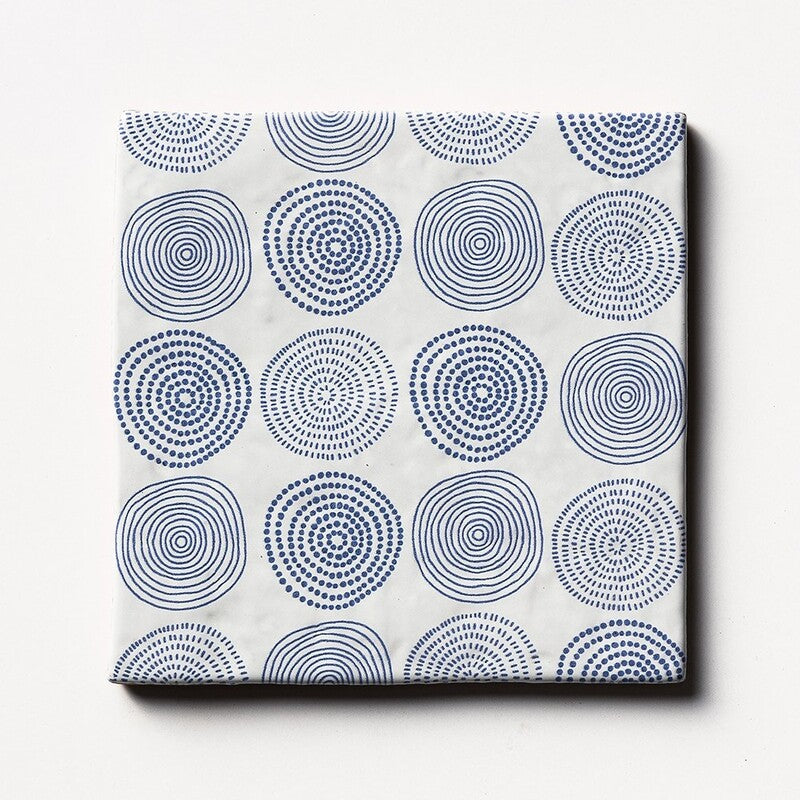
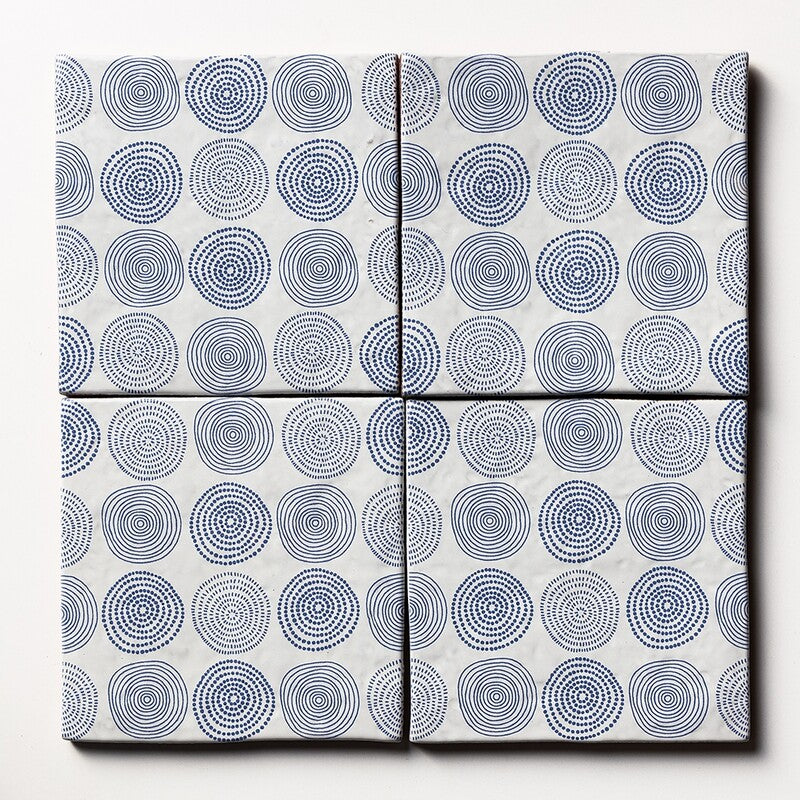
ANTIQUE: Batik 4 Glazed Terracotta Field Deco Tile (6"x6"x1/2" | glossy)
Stocked in USA25 pieces = 6.05 sqft per box.
Batik Glazed Terracotta Tiles: A Handcrafted Tapestry of Time
In an age of mass production, these Batik Glazed Terracotta Tiles stand as a testament to the enduring beauty of artisanal craftsmanship. Each six-inch square is a miniature canvas, its surface alive with the organic rhythms of hand-drawn batik patterns—swirling motifs that evoke the delicate precision of wax-resist dyeing, frozen in a permanent glaze. The multicolored palette, rich with subtle variations, recalls sun-bleached frescoes and age-old earthenware, where no two pieces are ever quite alike. Here, terracotta is not merely a material but a medium, transformed by fire and artistry into something at once rustic and refined.
Read More ›Choose options
~ / est. Estimated. Area coverage is calculated from nominal dimensions and varies with piece size, layout, and grout. Use as a planning guide, not an exact figure.
Dimensions
Material
Weight & Coverage
~ / est. Estimated. Area coverage is calculated from nominal dimensions and varies with piece size, layout, and grout. Use as a planning guide, not an exact figure.