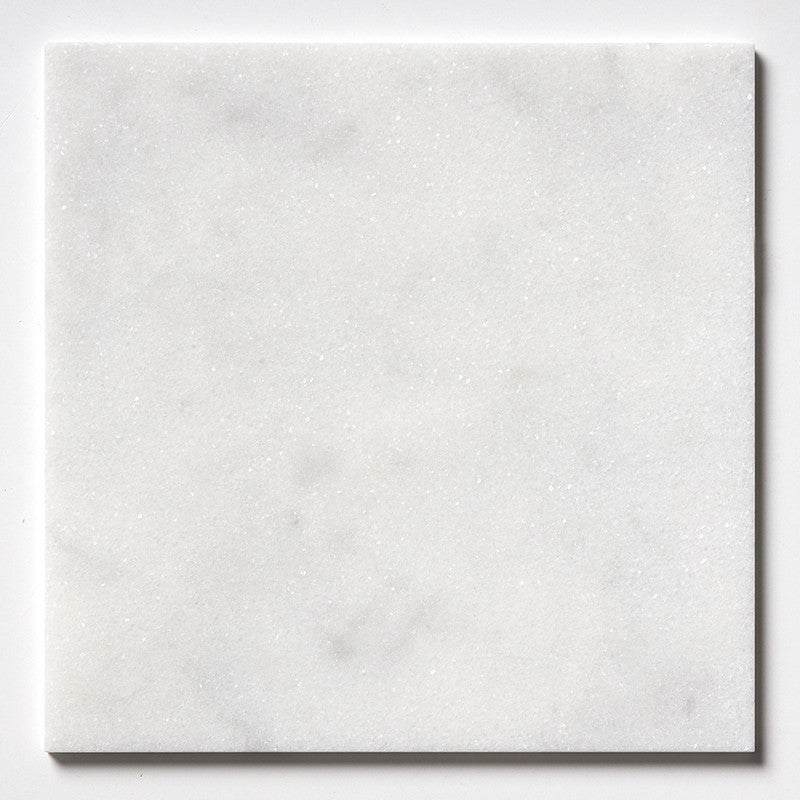
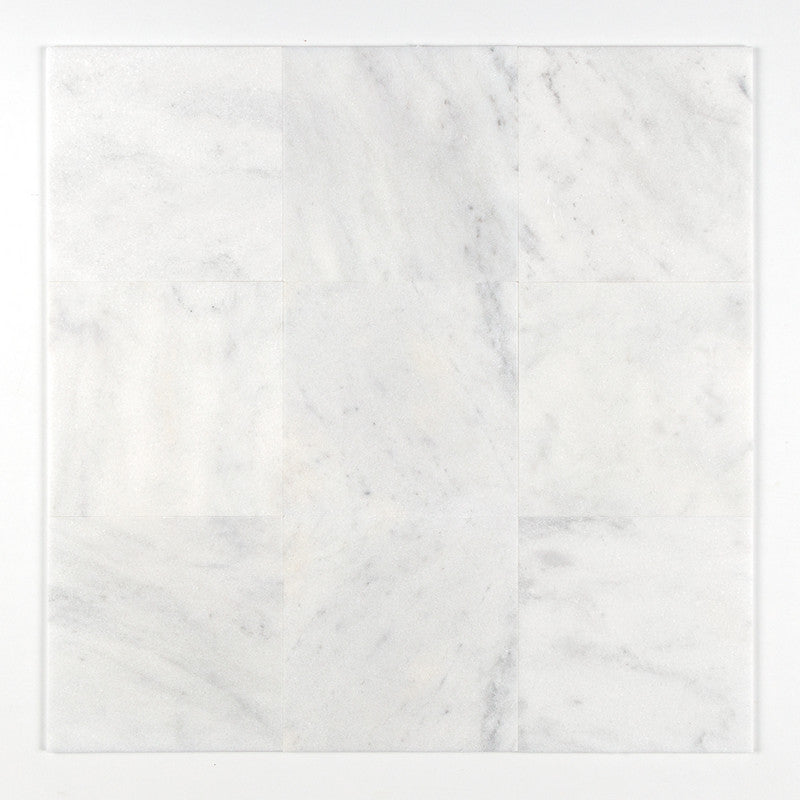
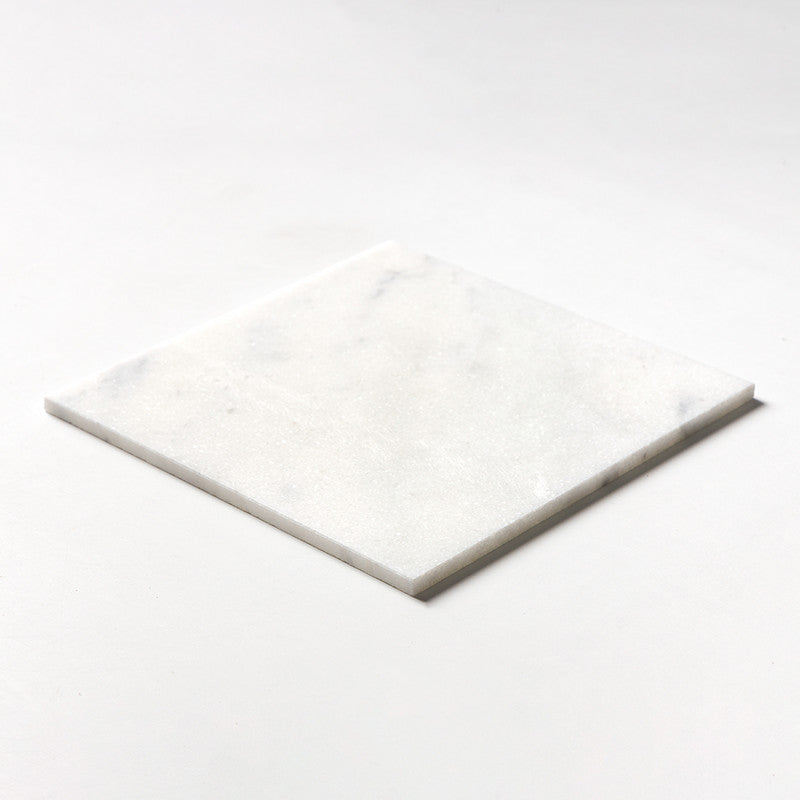
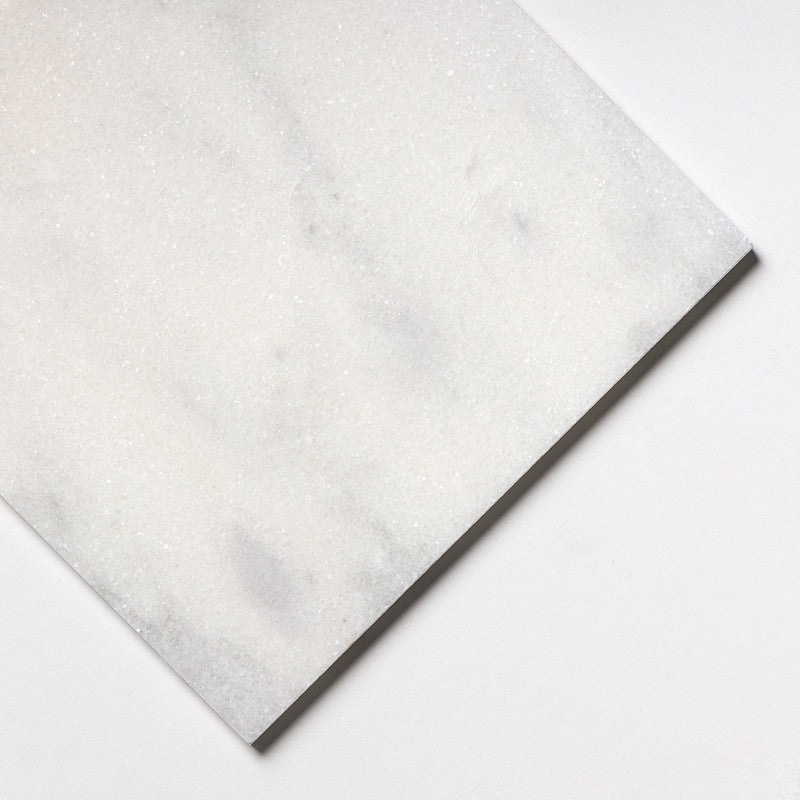
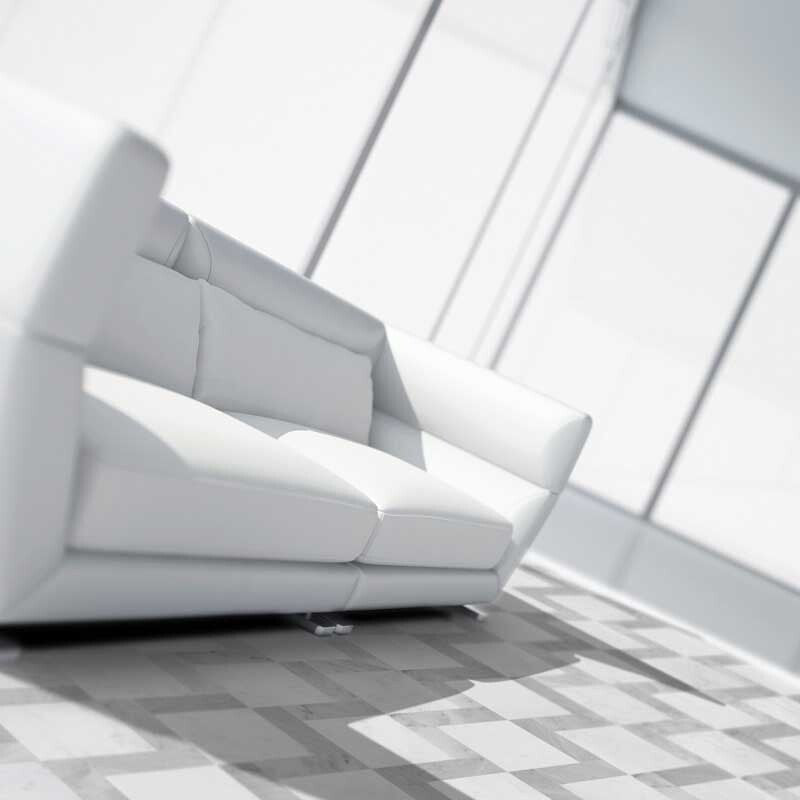
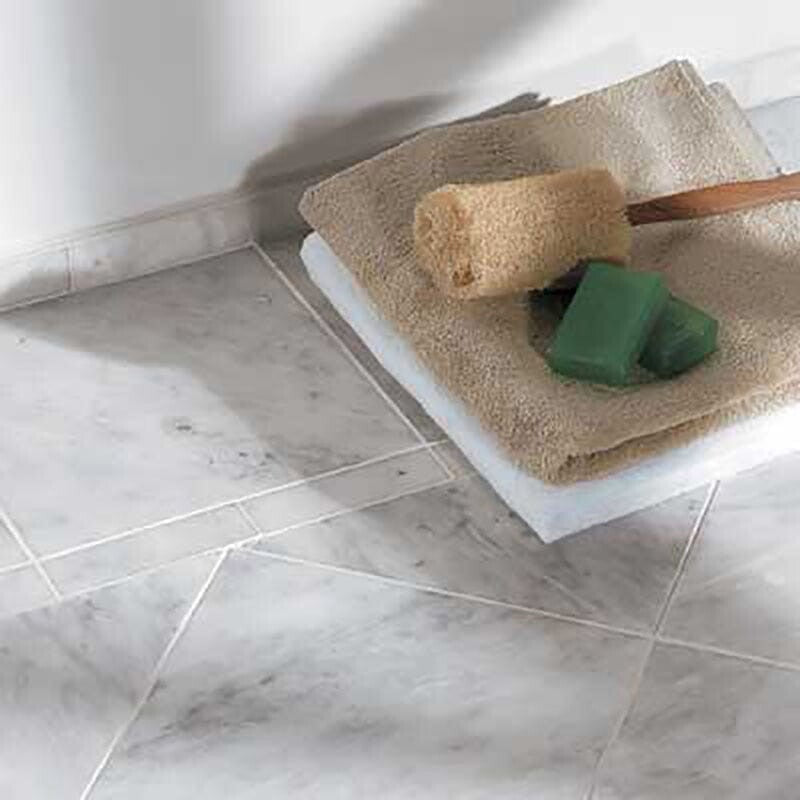
In the quiet grandeur of timeless interiors, where light lingers on surfaces and space speaks in whispers of luxury, these honed white marble tiles stand as a testament to enduring beauty. Cut into perfect twelve-inch squares, each tile is a study in restrained opulence—a canvas of cool, luminous white, its matte finish softening the stone’s natural veining into a subtle, cloud-like suggestion. Here, marble sheds its theatrical gloss for something more intimate: a tactile, almost velvety presence underfoot, inviting bare skin to trace its smooth, unbroken planes.
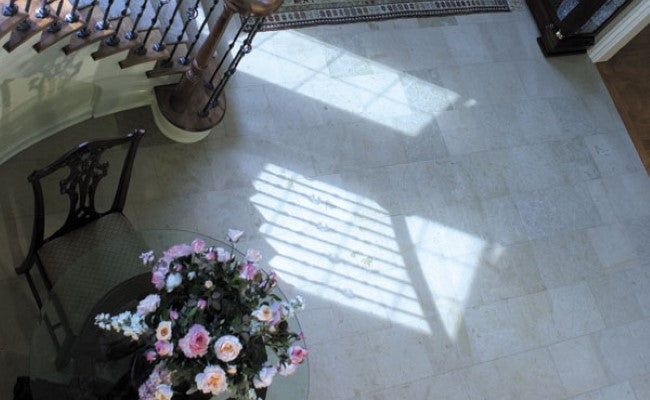
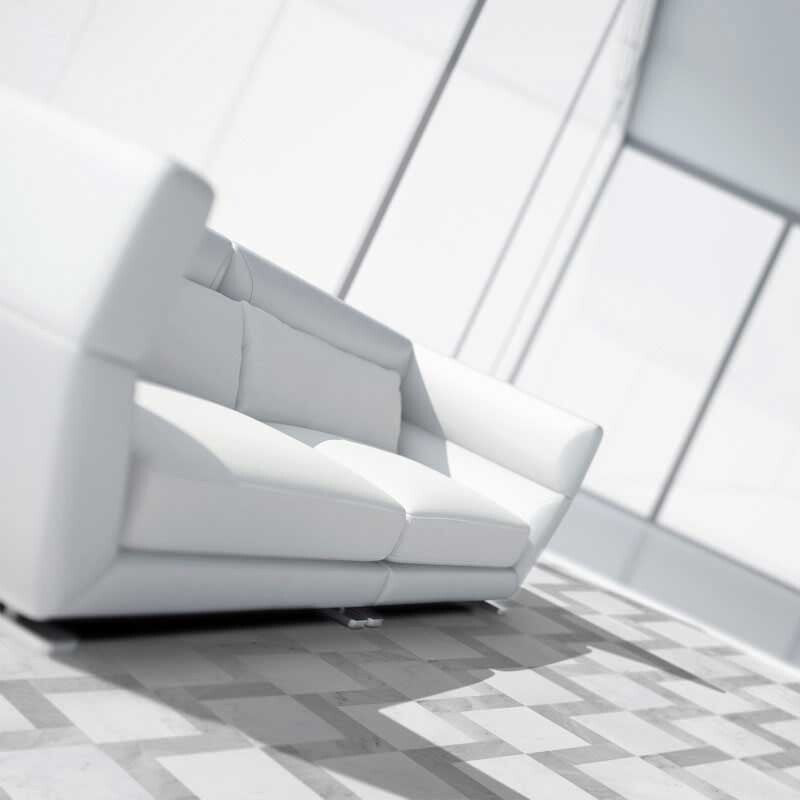
This is the quiet confidence of classic design, where simplicity becomes synonymous with sophistication. The square, that most elemental of forms, lends the collection an architectural purity, a geometry that feels both ancient and effortlessly modern. Laid in grid or offset, these tiles transform floors into a stage for light and shadow, their honed surface diffusing daylight with a gentle glow, absorbing artificial light with the same understated grace. There is no ostentation here, only the quiet assurance of a material that has adorned palaces and temples for millennia, now reimagined for the contemporary home.
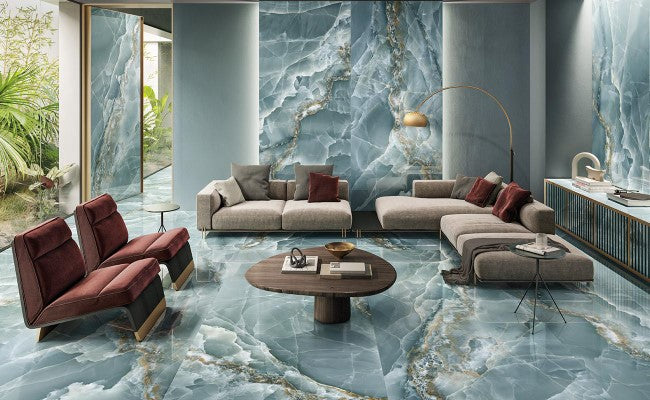
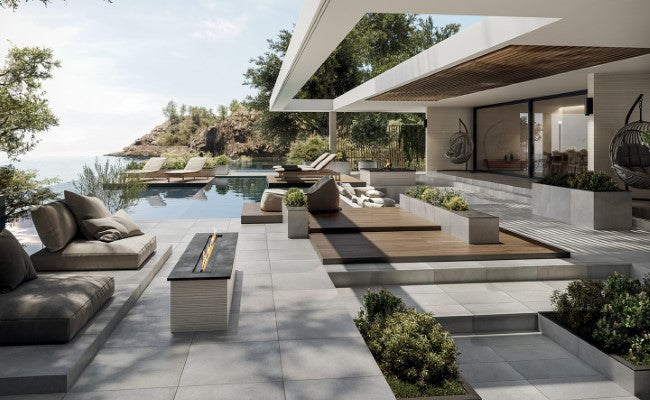
To walk upon this stone is to tread the line between sanctuary and spectacle. The weight of each tile—substantial, grounding—speaks to permanence, while its pale hue breathes expansiveness into even the most intimate spaces. It is a surface that belongs equally in sun-drenched atriums and candlelit dining rooms, its neutrality serving as both backdrop and protagonist: a foil for rich textiles and dark woods, yet capable of standing alone in monochromatic splendor. This is marble not as ornament, but as essence—a whisper of the earth’s artistry, honed to perfection.
For those who seek not trends but transcendence, these tiles offer a bridge between eras. They carry the gravitas of Renaissance palazzos and the clean lines of modernist villas, their design language fluent in both. In their solid, unbroken expanse, one detects the reverence of a sculptor’s studio, the precision of a draftsman’s line, the serenity of a cloister’s courtyard. This is luxury measured not in excess, but in absence—of distraction, of imperfection, of time itself. A floor laid with these tiles does not merely exist; it endures.