
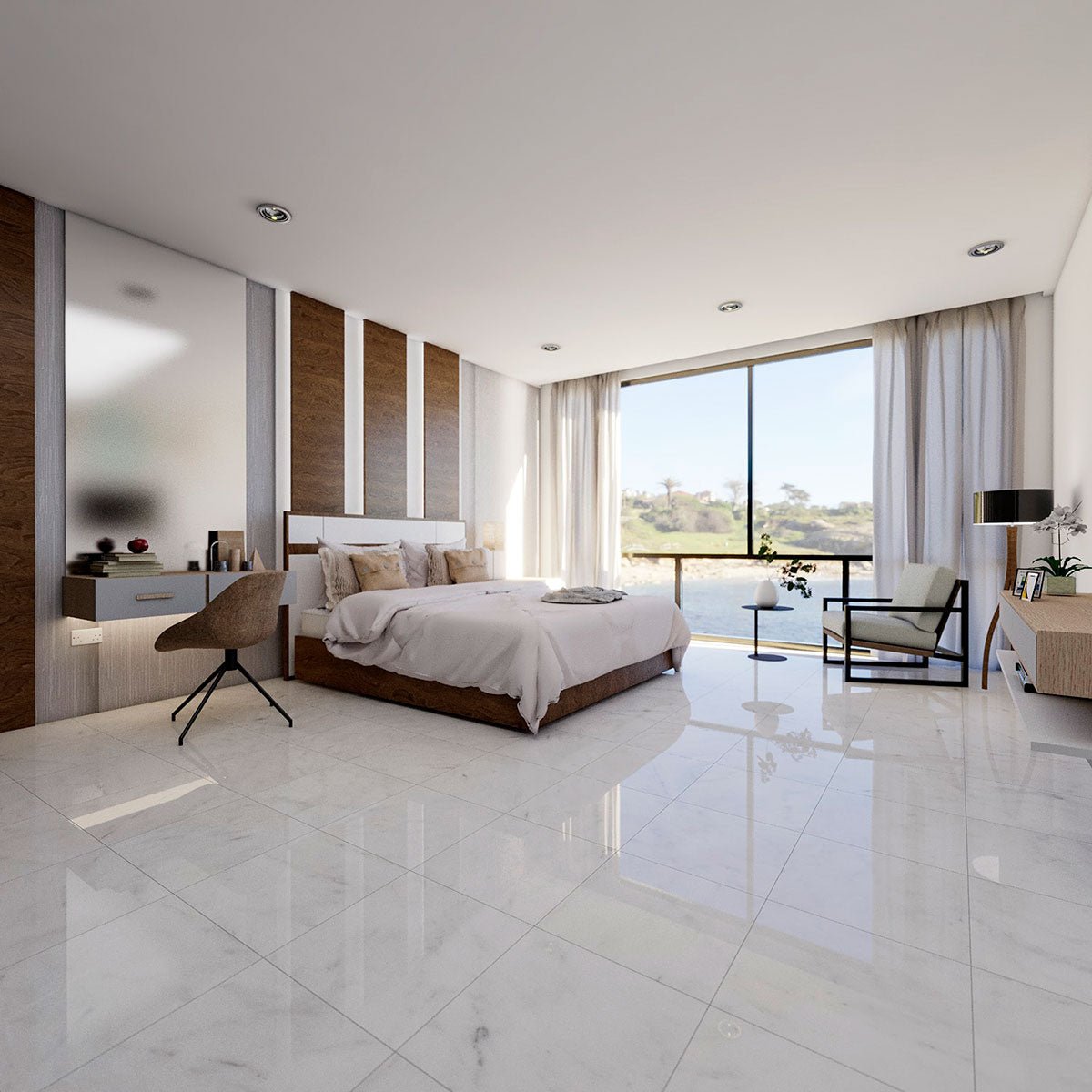

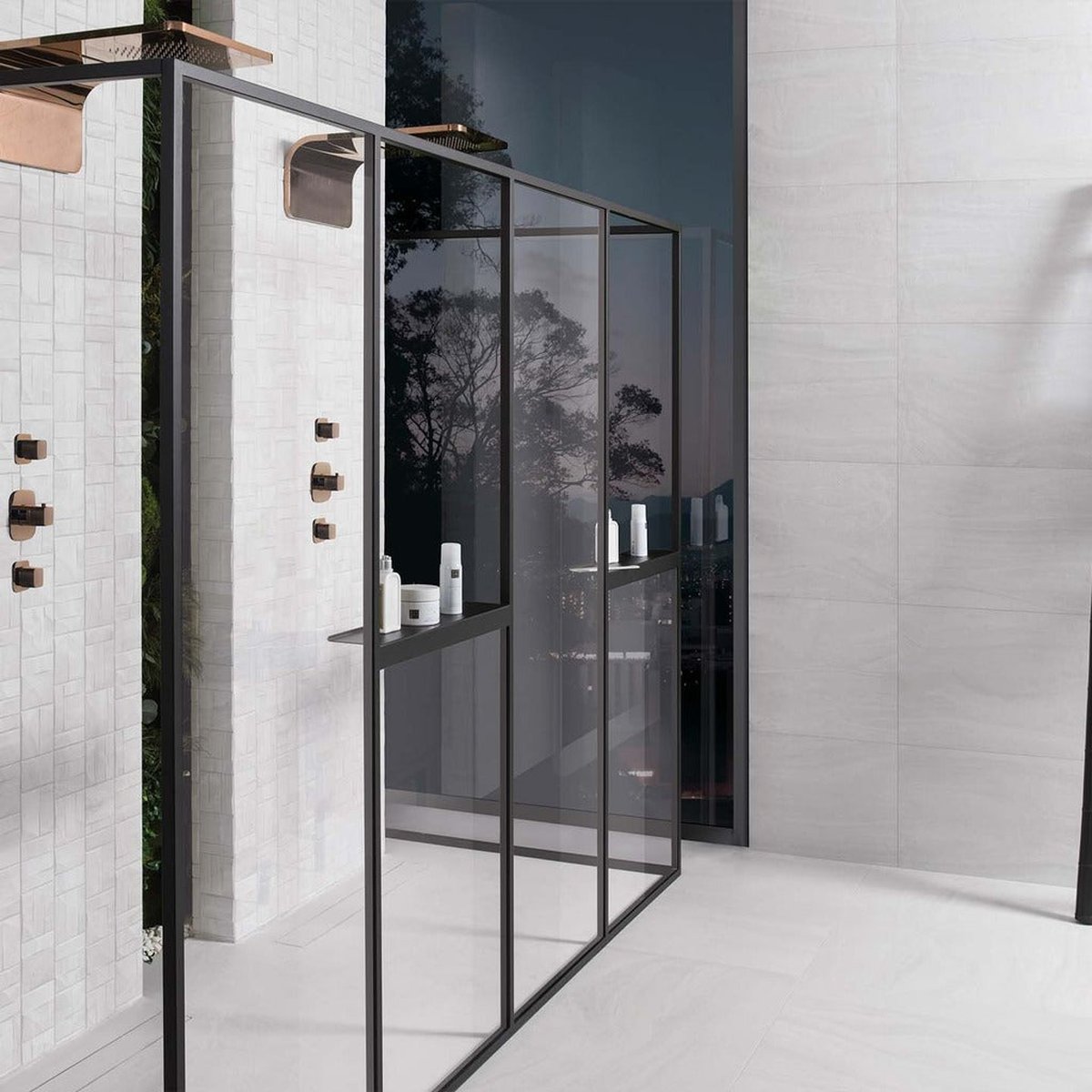
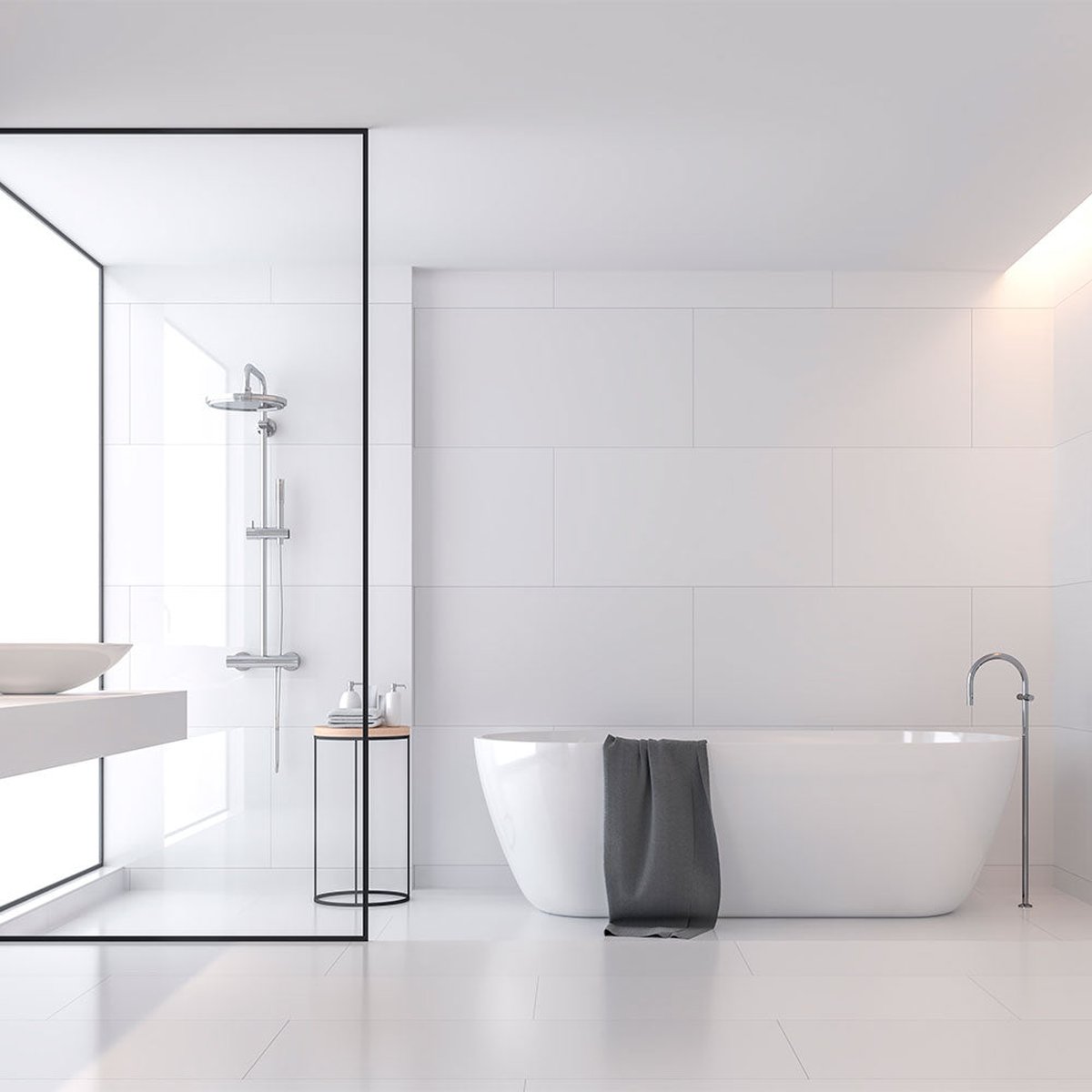
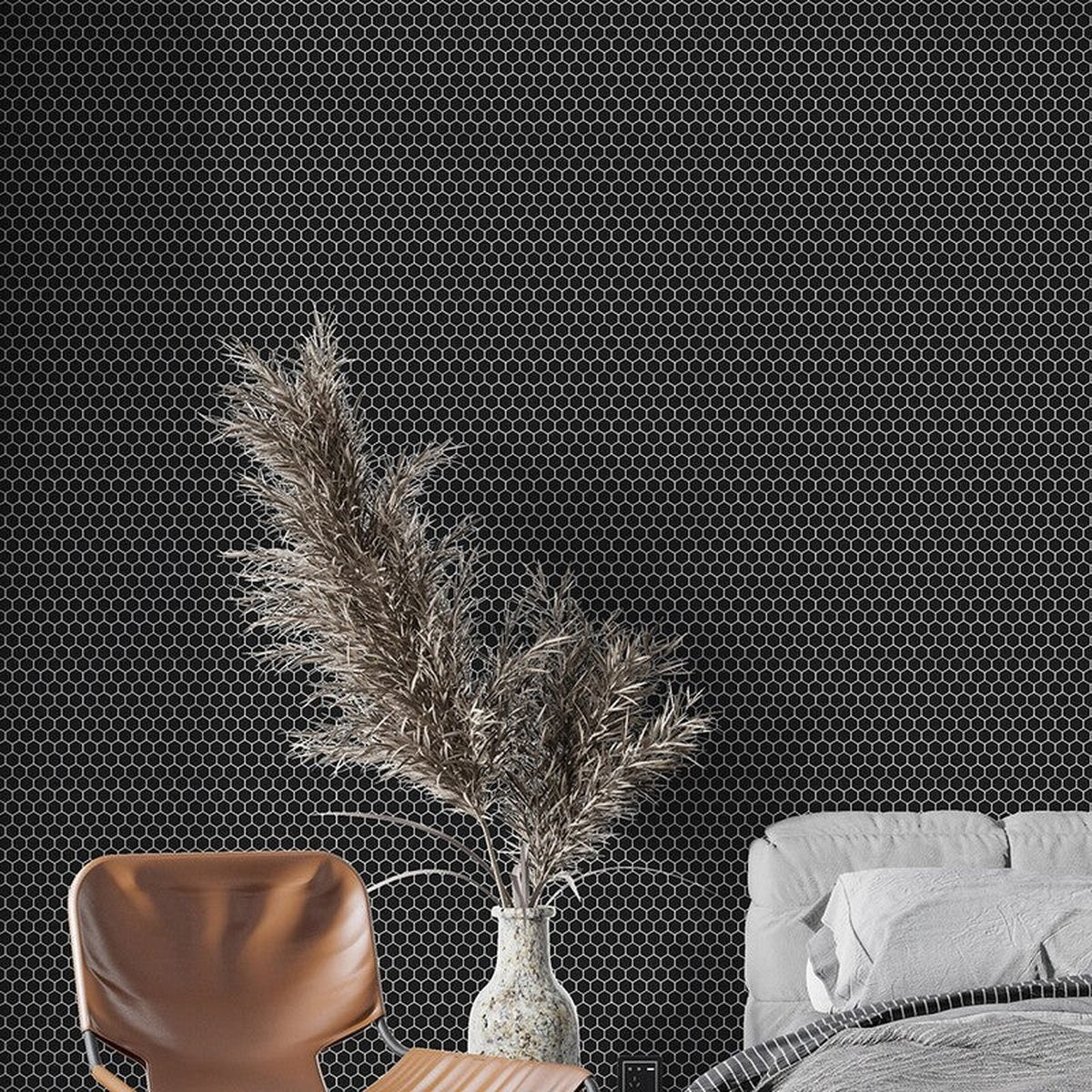
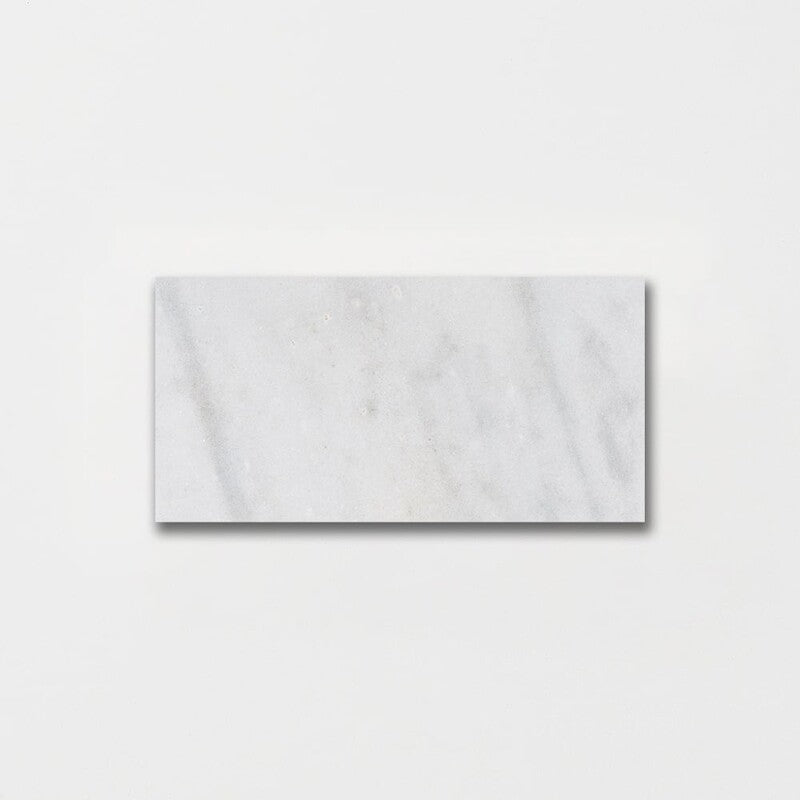
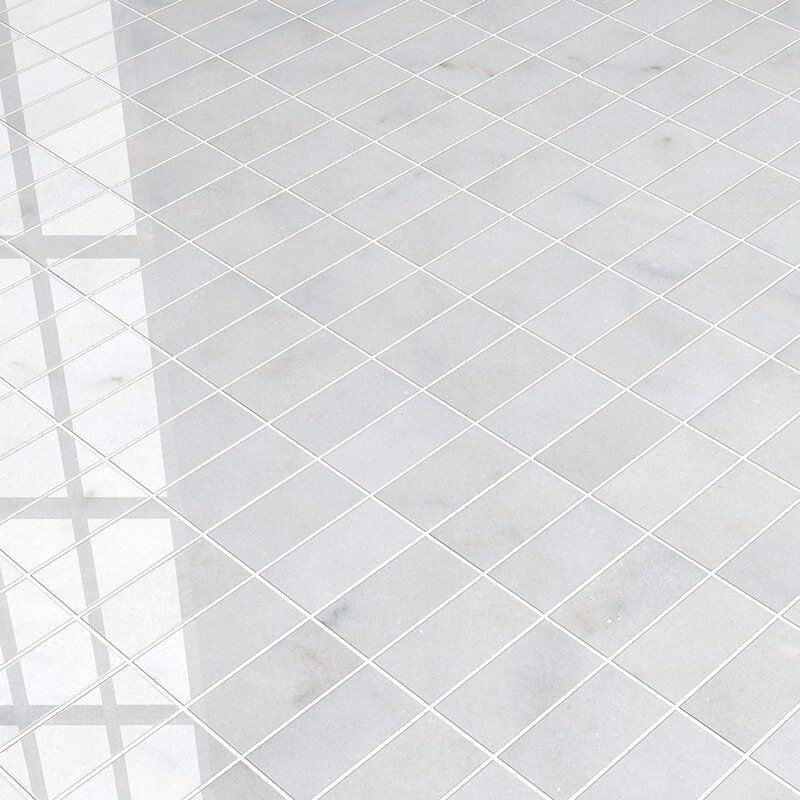
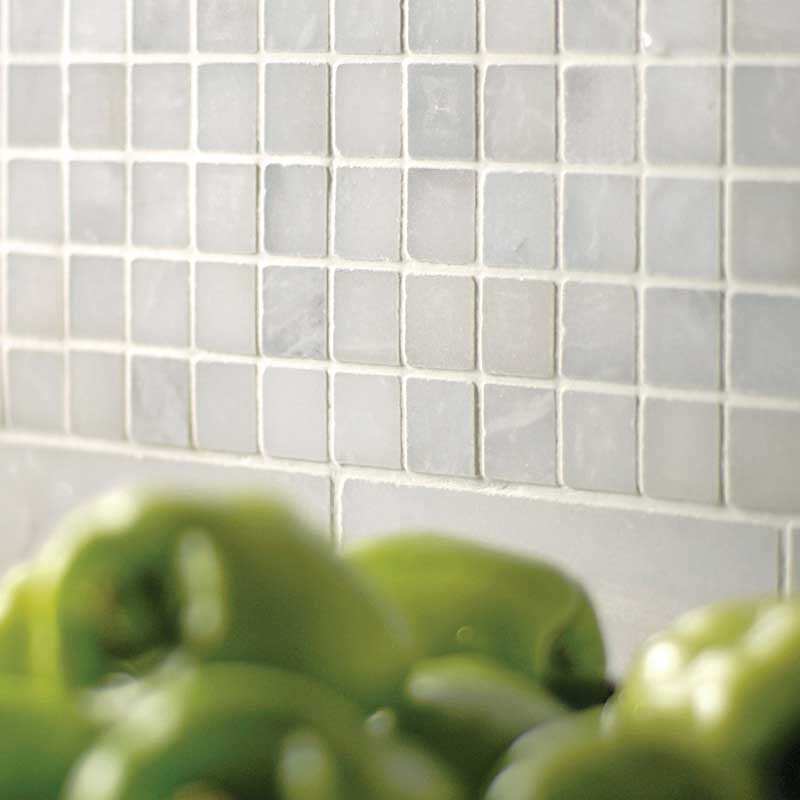

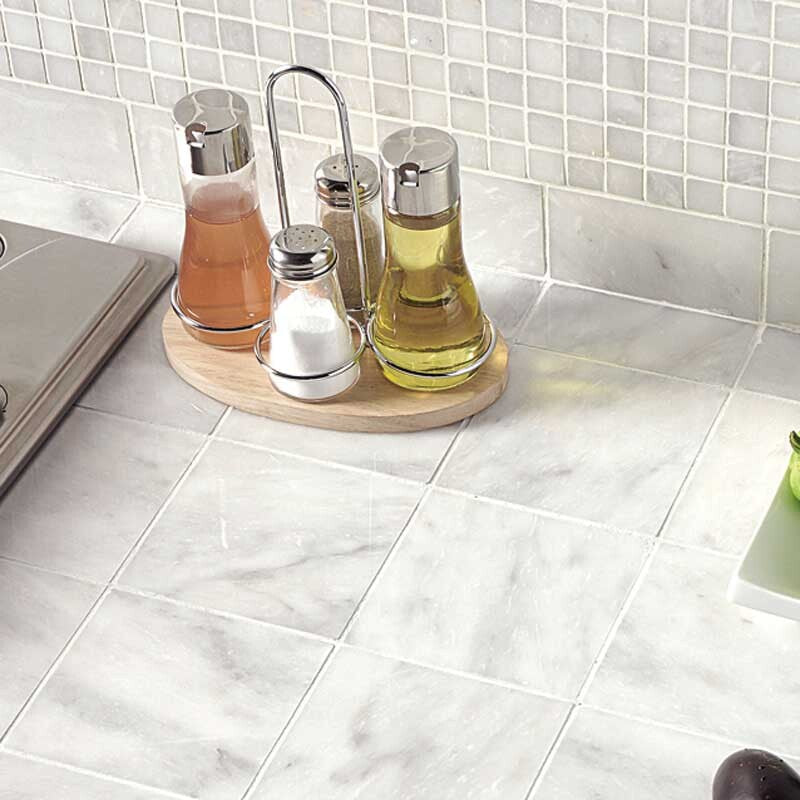
AVALON: Rectangle Field Tile (polished | 2"x5"x3/4" | straight cut)
Stocked in USA60 pieces = 6.3 sqft per box.
CLOSEOUT SALE — ALL SALES FINAL
No returns or exchanges. Not eligible for trade discount or any other additional discounts.
A Study in Timeless Elegance: Polished White Marble Flooring
There is a quiet authority to white marble, a material that has commanded reverence since antiquity. Its luminous surface, cool to the touch yet radiant under light, speaks of permanence and refinement. These rectangular tiles, cut with precision and polished to a mirror-like sheen, are the embodiment of classical luxury—unfussy, yet undeniably opulent. Their solid, unblemished hue carries the purity of fresh snowfall, while the smooth, unyielding texture beneath one’s feet lends an air of dignified restraint. This is not a surface that clamors for attention; it assumes it effortlessly, as though it has always belonged.
Read More ›Choose options
~ / est. Estimated. Area coverage is calculated from nominal dimensions and varies with piece size, layout, and grout. Use as a planning guide, not an exact figure.
Dimensions
Material
Weight & Coverage
~ / est. Estimated. Area coverage is calculated from nominal dimensions and varies with piece size, layout, and grout. Use as a planning guide, not an exact figure.