
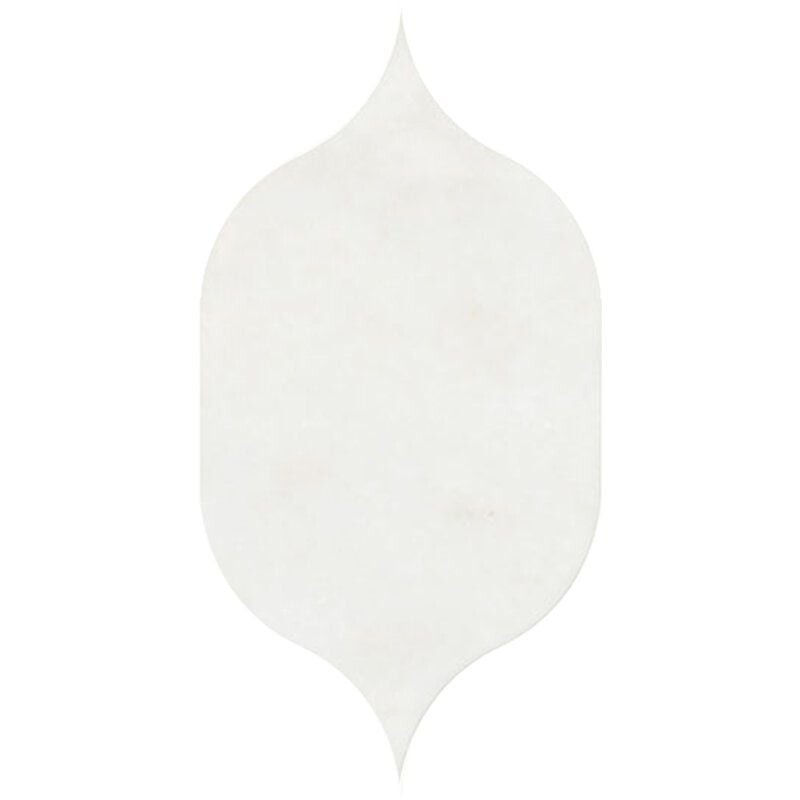
DIMENSIONS: Gothic Arabesque Field Tile (polished | 4"x8"x7/8" | straight cut)
6 pieces = 1.08 sqft per box.
A Timeless Arabesque in Marble: The Epitome of Elegance
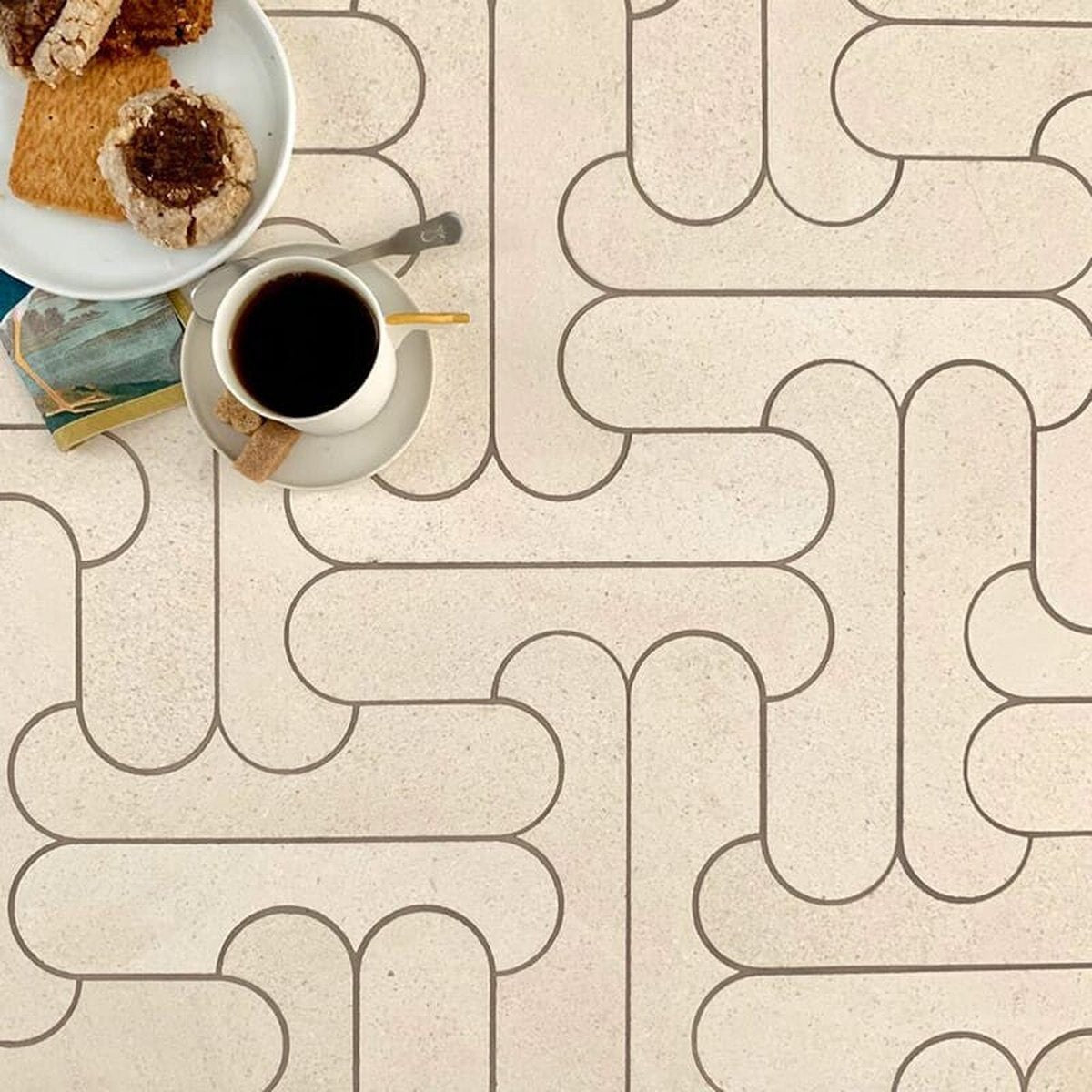
In the quiet grandeur of polished stone, where light dances upon a surface both ancient and eternal, lies the essence of true luxury. This marble arabesque tile, hewn from the purest white stone, is a testament to the enduring allure of classical design. Its surface, luminous under any light, carries the weight of history while remaining effortlessly contemporary—a paradox only the finest materials can achieve. The Gothic arabesque pattern, with its sinuous curves and intricate symmetry, whispers of cathedral floors and Renaissance palazzos, yet finds its place with equal grace in the modern sanctuary.
Read More ›Choose options
~ / est. Estimated. Area coverage is calculated from nominal dimensions and varies with piece size, layout, and grout. Use as a planning guide, not an exact figure.
Dimensions
Material
Weight & Coverage
~ / est. Estimated. Area coverage is calculated from nominal dimensions and varies with piece size, layout, and grout. Use as a planning guide, not an exact figure.