


A Masterpiece in Stone: The Hippodrome Mosaic in Multicolor Marble
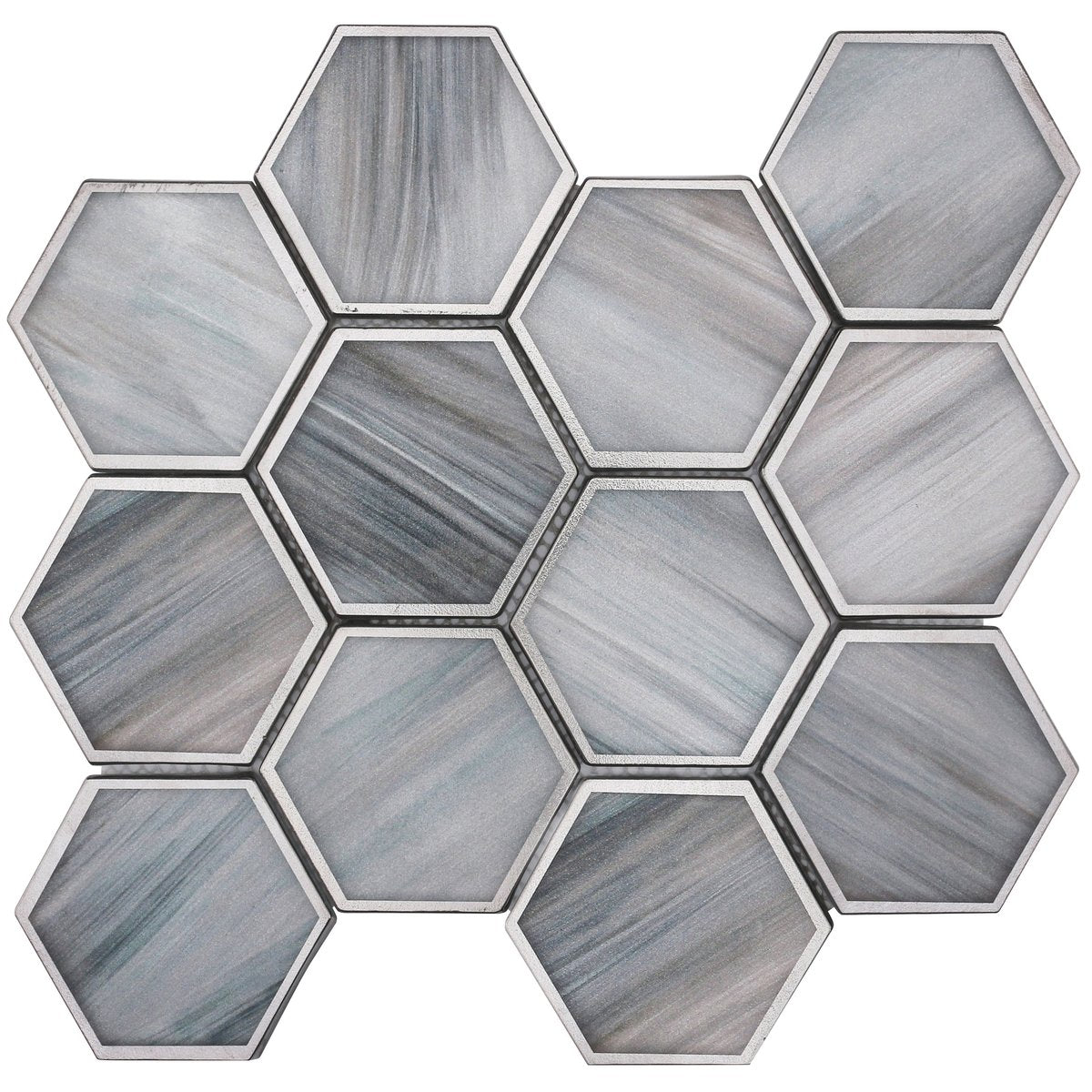
In the grand tradition of classical artistry, where stone speaks in the language of permanence and beauty, the Hippodrome Mosaic emerges as a testament to timeless luxury. Each tessera, meticulously arranged in a symphony of multicolor marble, evokes the opulence of ancient atria and the bold elegance of Renaissance palazzos. This is not merely a surface—it is a canvas, a declaration of refined taste, designed for those who seek to transform interiors into galleries of living art.
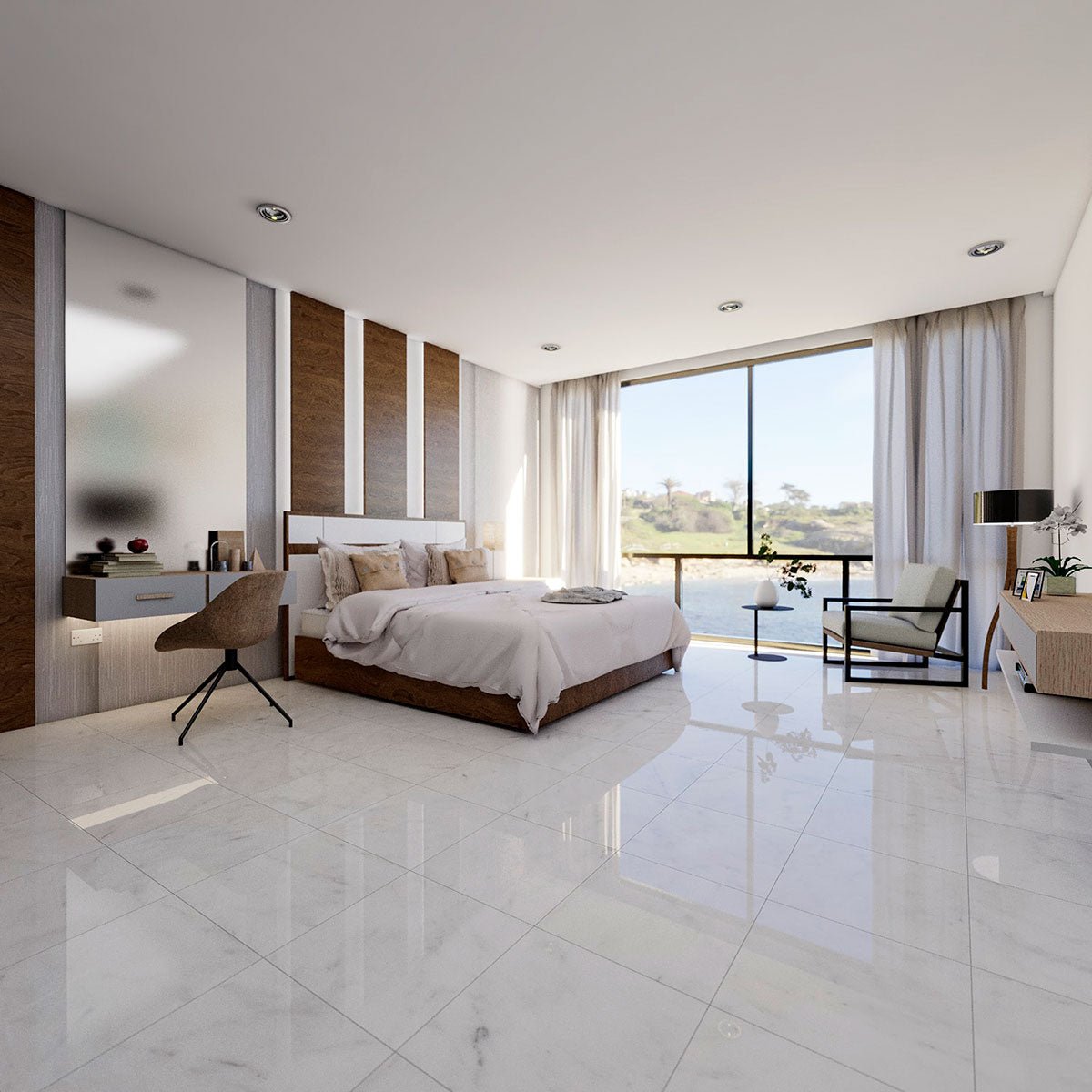
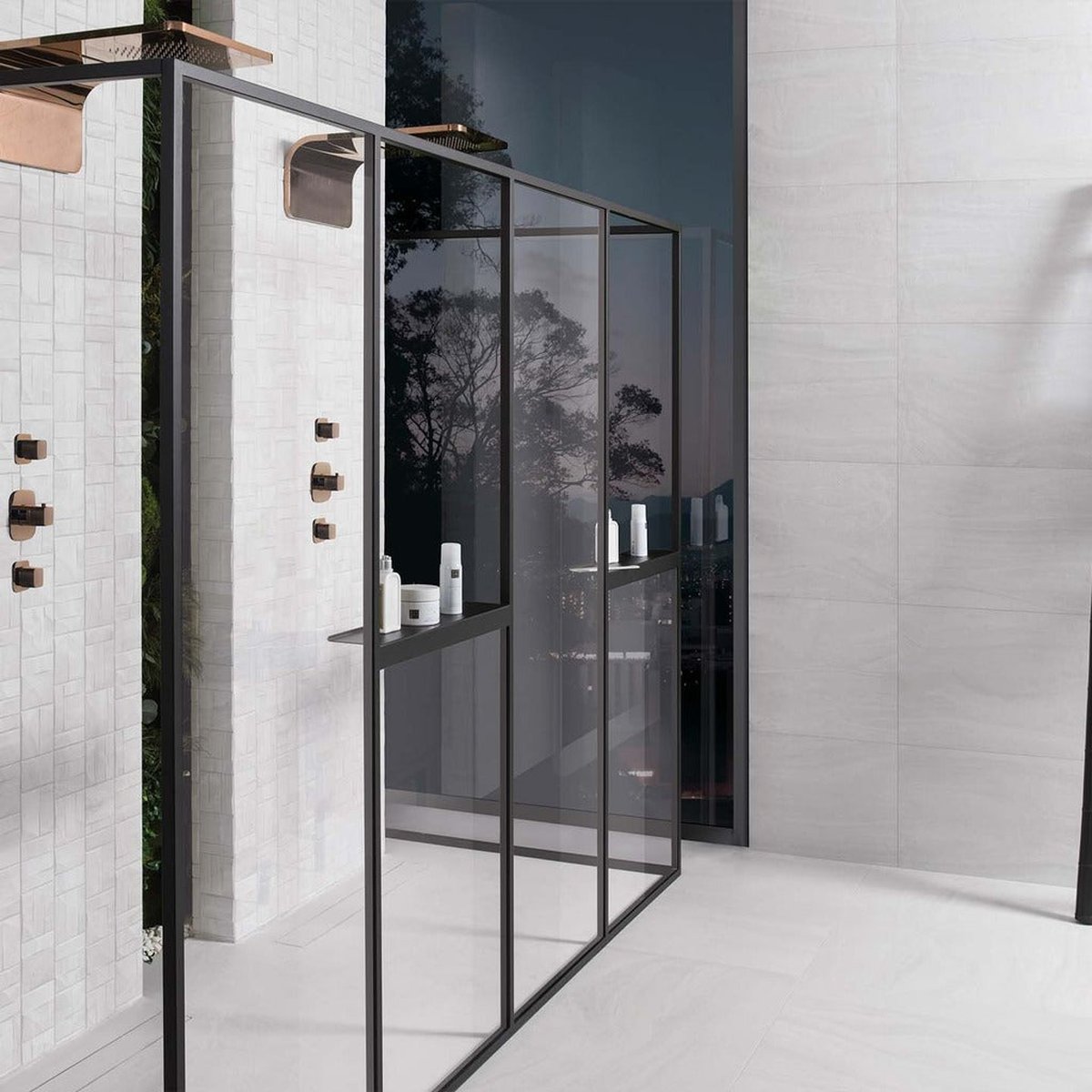
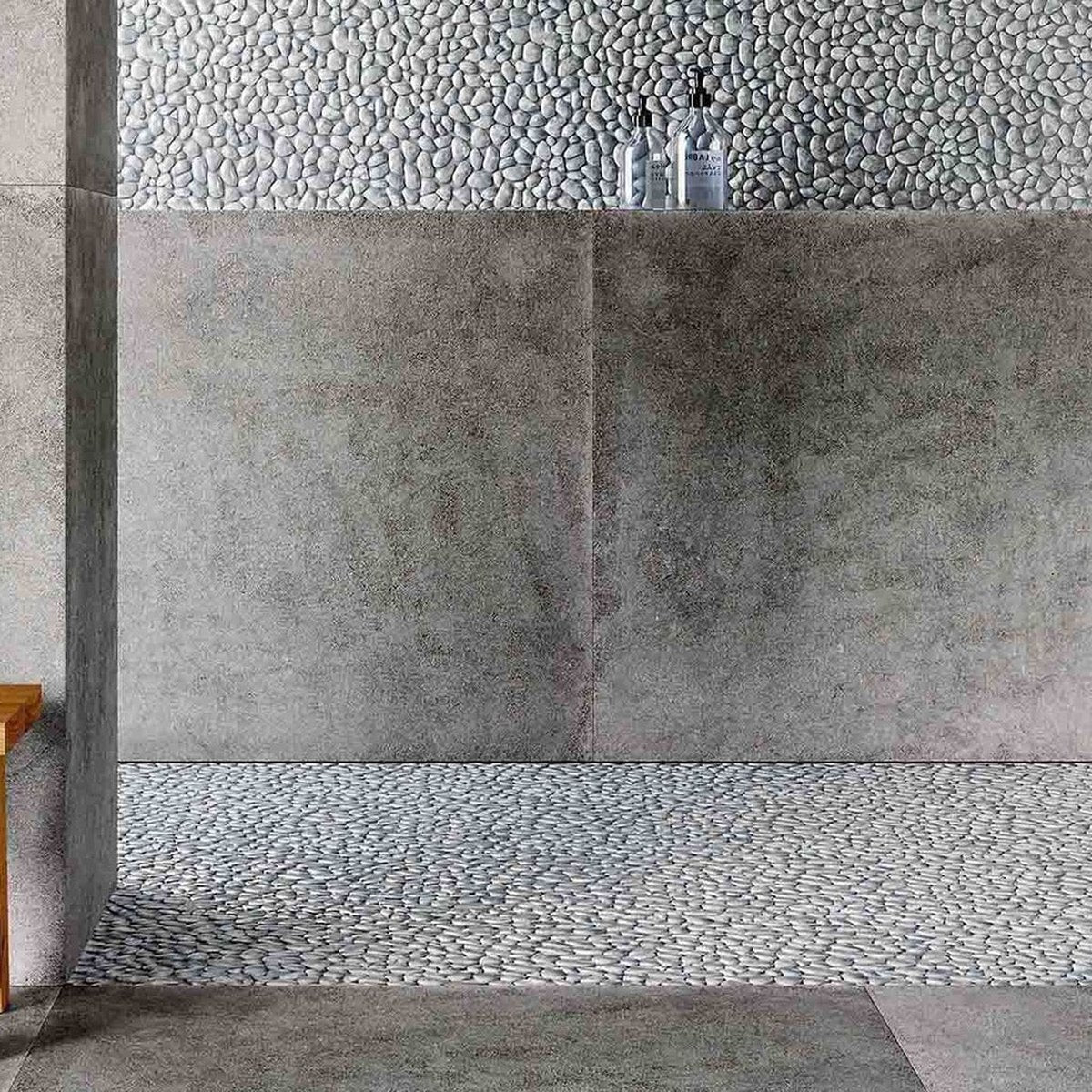
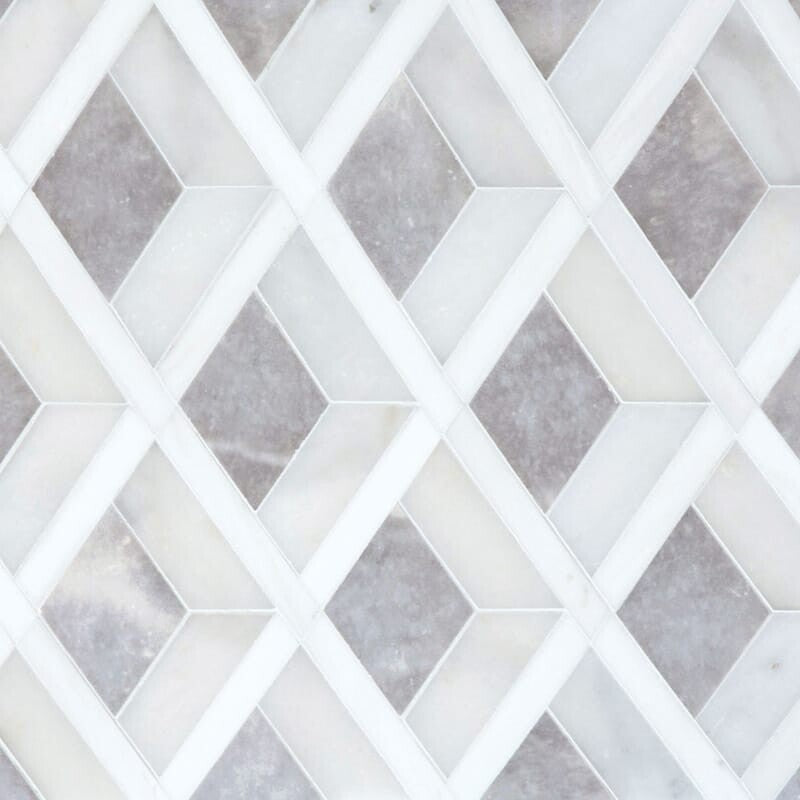
The mosaic’s chromatic richness is its first seduction. Veins of deep amber, whispers of ivory, and strokes of slate gray intertwine in a dance of natural variation, ensuring no two installations are alike. The interplay of matte and polished finishes adds dimension, catching light with a quiet drama that shifts with the hours. Its pattern, a harmonious repetition of the hippodrome shape, pays homage to the geometric precision of Byzantine craftsmanship while exuding a contemporary confidence. Whether gracing the floors of a boutique hotel, the walls of a private residence, or the sanctuary of a spa-like shower, this mosaic commands attention without ostentation—its luxury lies in its restraint.
There is an emotional weight to this material, a resonance that transcends mere function. To walk upon it is to tread the same visual poetry that adorned the villas of Pompeii and the baths of imperial Rome. It speaks to the connoisseur, to the architect who understands that true exclusivity is born from materials with a soul. The mosaic’s multicolor palette is both bold and serene, capable of anchoring a minimalist space with its artistry or elevating an ornate interior with its disciplined rhythm.
For commercial spaces, it whispers of prestige; for private sanctuaries, it promises an unspoken dialogue with history. The Hippodrome Mosaic does not simply cover surfaces—it transforms them into heirlooms, ensuring that every room it adorns becomes a testament to the enduring marriage of art and architecture. This is stone not as construction, but as legacy.